Shahid Khaqan Abbasi Challenges ECP Decision on Awaam Pakistan Party
Former Prime Minister Shahid Khaqan Abbasi has challenged the Election Commission's decision regarding the registration status of the Awaam Pakistan Party.
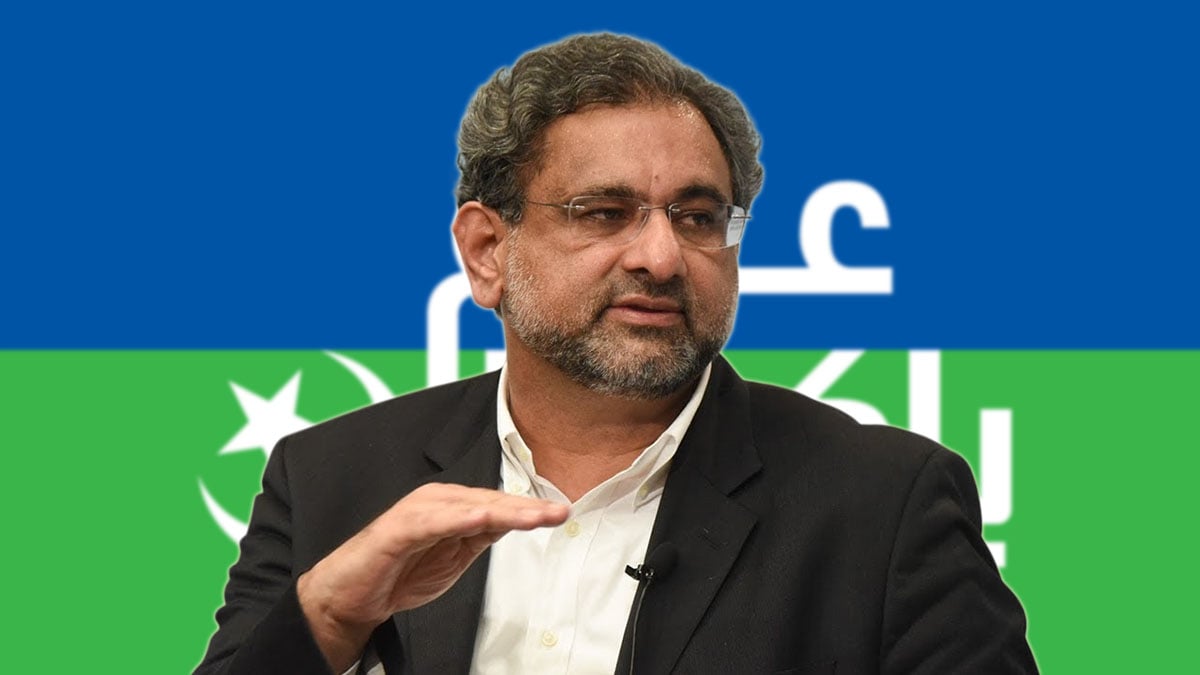
Former Prime Minister Shahid Khaqan Abbasi has formally contested the regulatory order regarding the Awaam Pakistan Party ECP decision, initiating a fresh legal battle within the country's political landscape. The move comes after the Election Commission of Pakistan took action regarding the registration status of the newly established political enterprise. By challenging the administrative ruling, Abbasi seeks to defend the legitimate political standing of his party and ensure its full participation in national democratic processes.
Background of the Electoral Challenge
The regulatory scrutiny surrounding newly formed political entities is a routine yet critical component of electoral oversight in Pakistan. When the Election Commission issues an order that affects a party's legal standing or electoral list status, affected leadership routinely turns to statutory forums and judicial review to contest the findings. Shahid Khaqan Abbasi, who launched the movement alongside other seasoned politicians, maintains that the regulatory criteria for political organization have been met in spirit and letter.
Electoral regulatory compliance requires political organizations to satisfy several procedural benchmarks under existing legislation. Any determination by the election management body that halts or reverses a party's official listing can significantly alter its operational capability, preventing candidates from contesting under a unified platform or symbol until legal clarity is established.
Understanding Party Registration and Delisting Rules
In Pakistan, the framework governing political parties demands strict adherence to administrative, financial, and organizational mandates. The Election Commission of Pakistan is tasked with enforcing these standards to maintain integrity across the political spectrum. When a party faces delisting or regulatory challenges, it usually stems from procedural queries regarding constitutional documentation, internal elections, or financial reporting.
To maintain active and valid registration, political entities must navigating a comprehensive compliance roadmap:
- Constitutional Submissions: Providing an updated and legally sound party constitution that aligns with national electoral statutes.
- Intra-Party Elections: Conducting periodic organizational polls to ensure democratic governance within the party structure.
- Financial Disclosures: Submitting annual audited accounts, source of funds disclosures, and compliance certificates.
- Representation Requirements: Meeting specific statutory criteria regarding membership rosters and regional representation.
- Formal Appeals: Utilizing designated legal channels to respond to show-cause notices or administrative rulings issued by electoral authorities.
By challenging the regulatory body's determination, the leadership of Awaam Pakistan Party aims to demonstrate that all necessary filings and legal obligations were adequately addressed during the setup phase.
What This Means for Ordinary Citizens and Voters
For everyday citizens, legal tussles over party registrations are more than mere courtroom proceedings; they directly impact democratic choices at the ballot box. When the registration status of a political party is tied up in administrative disputes, voters in affected constituencies face uncertainty regarding available political alternatives.
A clear, transparent legal resolution ensures that voters have access to a diverse array of political platforms during election cycles. Political pluralism relies on clear rules that allow new entrants to participate fairly. When prominent political figures challenge regulatory decisions transparently, it reinforces the principle that executive and administrative decisions remain subject to legal scrutiny and public oversight.
Furthermore, understanding these legal developments helps citizens evaluate the organizational strength and compliance standards of political groups asking for their public mandate. A party's ability to navigate regulatory frameworks reflects its overall operational readiness.
Path Ahead and Public Verification
As the challenge moves through the appropriate legal channels, the outcome will dictate how the party structures its future political campaigns, candidate nominations, and public engagement efforts. Interested citizens, political analysts, and supporters are advised to monitor official announcements published by the Election Commission of Pakistan and relevant court records rather than relying on unverified claims on social media platforms.
Maintaining an accurate understanding of political developments requires checking verified official channels. Detailed operational guidelines, legal notifications, and official party list updates are published periodically on the electoral management body's public repository.
Source: ARY News
Get alerts in your inbox
Weekly roundup of Punjab schemes, Pakistan jobs, and Gulf opportunities.