Shahrah-e-Faisal Protest Case: Legal Action Taken After Road Blockade
Police have registered a formal case against demonstrators following a major protest over the murder of Mir Raza Ali that disrupted traffic on Karachi's Shahrah-e-Faisal.
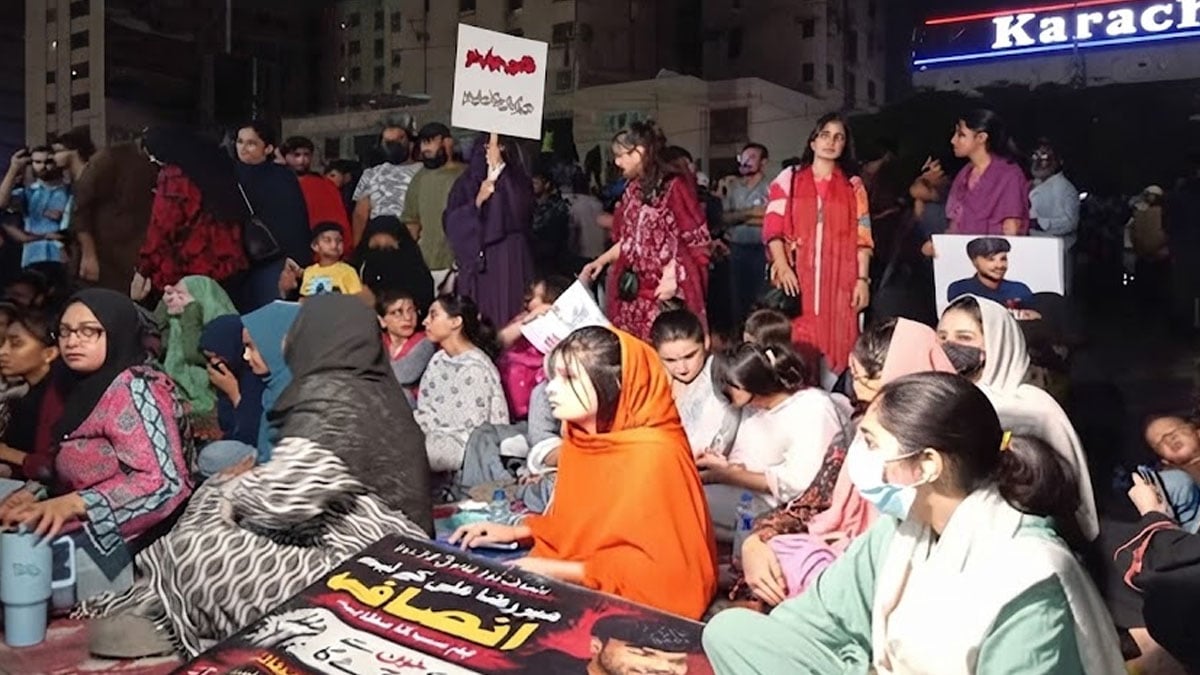
Law enforcement authorities have formally registered a Shahrah-e-Faisal protest case against several individuals following intense demonstrations connected to the murder of Mir Raza Ali. The protest, which led to a prolonged blockade of one of Karachi's primary vehicular arteries, caused severe traffic disruptions across the city, prompting police intervention and legal proceedings against those responsible for obstructing public thoroughfares.
Legal Action Following the Shahrah-e-Faisal Road Blockade
The registration of a case against the demonstrators marks a decisive step by local law enforcement to maintain public order along major urban corridors. While citizens possess the right to express grief and demand accountability, blocking primary traffic routes like Shahrah-e-Faisal creates significant challenges for urban mobility, emergency services, and daily public life. Police officials stepped in to clear the route and subsequently initiated legal actions against individuals implicated in organized road closures.
Authorities emphasize that while peaceful assembly is recognized, the deliberate obstruction of main highways violates civic statutes designed to protect public movement. Citizens seeking specific details regarding the names mentioned in the First Information Report (FIR) or the exact clauses invoked are advised to consult official police press statements or local departmental records.
Context Behind the Demonstrations: Justice for Mir Raza Ali
The demonstration on Shahrah-e-Faisal stemmed from widespread public outrage and grief over the murder of Mir Raza Ali. Family members, supporters, and concerned citizens gathered on the main road to voice their demands for immediate police action, the arrest of the perpetrators, and a transparent investigation into the tragic incident.
Public demonstrations following violent crimes often highlight community frustration regarding local safety and judicial speed. However, when gathering points shift onto main traffic arteries, the resulting gridlock frequently shifts public attention from the original cause to the immediate civic disruption caused by the blockade.
Key Consequences of Main Road Blockades in Urban Centers
The blockade of a major route like Shahrah-e-Faisal carries widespread operational and social ramifications across the metropolitan area. The following key factors outline the primary impacts observed during such incidents:
- Emergency Transit Delays: Blocked arteries impede ambulances, fire tenders, and emergency responders trying to reach critical care centers located along or near main transit routes.
- Severe Commuter Traffic Congestion: Diversions onto secondary and residential streets lead to massive traffic bottlenecks, significantly increasing travel times for daily workers, students, and commercial transporters.
- Economic Disruptions: Delays in goods delivery, missed business appointments, and reduced footfall for local commercial establishments occur when primary routes are rendered impassable.
- Legal Liabilities for Participants: Organizing or participating in unauthorized road blockades exposes individuals to criminal charges, including unlawful assembly and obstruction of public ways.
What This Situation Means for Ordinary Citizens
For the general public in Karachi, the registration of this case underscores the delicate balance between the constitutional right to protest and the necessity of keeping public infrastructure accessible. Citizens navigating the city during such events must often deal with sudden route changes, prolonged delays, and heightened security presence.
From a civic perspective, this legal action signals that law enforcement will hold organizers accountable when public gatherings infringe upon the fundamental right of movement enjoyed by all residents. Commuters are encouraged to follow real-time traffic updates provided by local authorities to avoid impacted zones during active demonstrations.
Furthermore, family members and supporters advocating for justice in criminal cases are increasingly reminded to utilize designated protest locations rather than critical transit arteries to prevent legal exposure and maintain public support for their cause.
Verifying Official Details and Staying Informed
Because legal proceedings and traffic updates evolve rapidly during public order situations, members of the public should rely solely on verified news bulletins and official communications from the relevant police department. For precise information regarding traffic diversions, legal proceedings, or investigation progress related to the Mir Raza Ali murder case, citizens should verify facts directly through official law enforcement portals and recognized public information desks.
As legal proceedings unfold regarding the protest on Shahrah-e-Faisal, maintaining awareness of civic regulations and official traffic advisories remains essential for all urban commuters seeking safe and uninterrupted daily transit.
Source: ARY News
Get alerts in your inbox
Weekly roundup of Punjab schemes, Pakistan jobs, and Gulf opportunities.