Sindh Education Boards to Enforce New Recruitment Rules 2026
The Sindh government is set to implement updated recruitment rules for education boards across the province to standardize hiring, curb ad-hoc practices, and ensure merit-driven appointments.
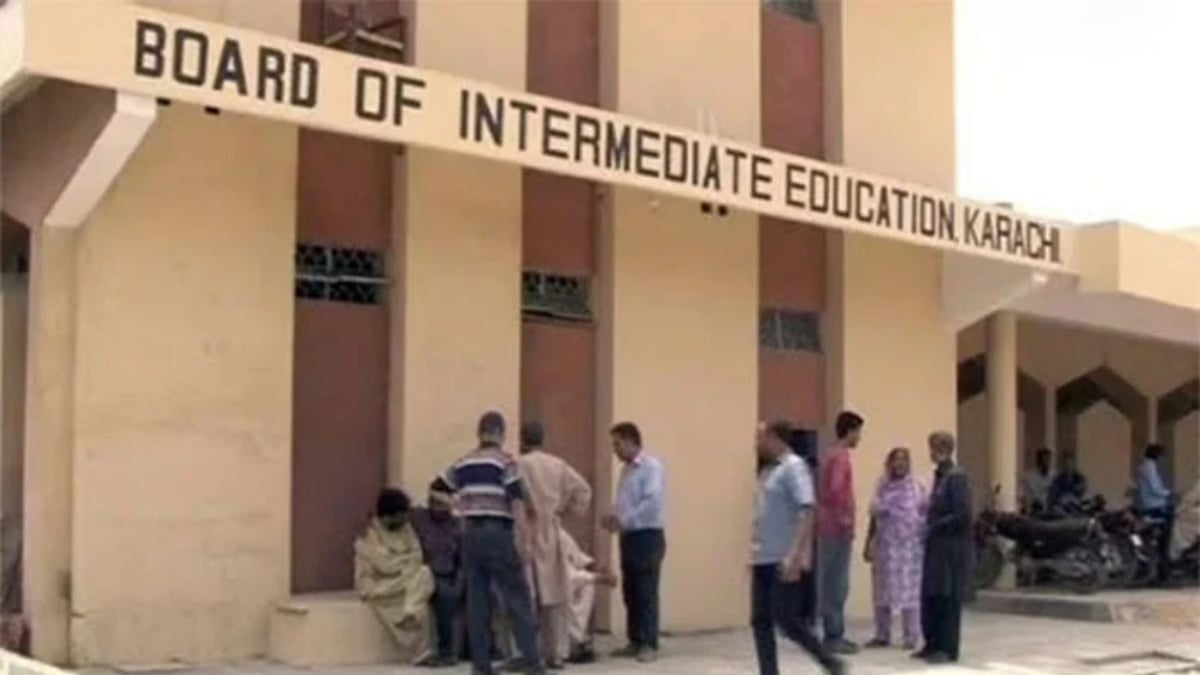
The provincial administration is moving to implement the Sindh education boards recruitment rules 2026, establishing a unified and structured service framework across all intermediate and secondary educational boards in Sindh. This regulatory overhaul is designed to standardize the hiring process, eliminate ad-hoc practices, and ensure that both administrative and academic appointments adhere strictly to merit-based criteria. For decades, the functioning of examination boards has faced operational and administrative scrutiny, making the introduction of modernized service rules a critical step toward institutional stability.
Understanding the Framework of the Updated Hiring Guidelines
Educational boards across Sindh manage examinations, certifications, and academic evaluations for millions of students each academic year. Managing such a vast mandate requires skilled human resources ranging from subject specialists, examination controllers, and audit professionals to IT staff and clerical teams. Under the updated policy structure, recruitment across these institutions will follow a standardized rubric aimed at reducing discretionary powers and promoting uniform qualification benchmarks across all regional boards.
Historically, individual boards often functioned with differing service regulations, creating disparities in promotions, grade scales, and hiring qualifications. The updated framework seeks to align job descriptions, eligibility thresholds, and selection modalities across all educational bodies operating under the provincial department responsible for universities and boards. This alignment ensures that vacancies are advertised with clear prerequisites and filled through transparent evaluation methods.
Key Structural Reforms Under the 2026 Rules
The revised service rules introduce specific parameters to regulate entry-level intake as well as promotions within board cadres. By instituting clearly defined career paths, the governance framework aims to boost employee morale while demanding higher accountability and competence across all grade scales.
- Standardized Qualification Criteria: Clear educational and technical requirements for technical posts, IT personnel, accounting staff, and general administration.
- Merit-Based Selection Pipelines: Compulsory competitive assessments and structured interviews to minimize arbitrary selections.
- Defined Service Cadres: Explicit demarcation between ministerial staff, technical officers, and examination management personnel to streamline departmental promotions.
- Transparent Quota Implementation: Rigorous adherence to statutory provincial quotas, including allocations for women, minorities, and persons with disabilities.
- Performance-Linked Career Growth: Introduction of standardized evaluation metrics for existing employees seeking departmental advancement.
What the New Rules Mean for Ordinary Citizens and Job Seekers
For job seekers across Sindh, the enforcement of these recruitment rules represents a fairer, more predictable environment. In the past, fluctuating criteria and delayed recruitment drives created frustration among qualified graduates seeking public sector employment. A standardized framework ensures that candidates from all districts can compete for public positions on an equal footing, with clear visibility into required qualifications, testing mechanisms, and selection stages.
For students, parents, and the broader public, an efficiently staffed education board directly translates into better public service delivery. Educational boards are the frontline institutions responsible for issuing matriculation and intermediate certificates, processing duplicate mark sheets, resolving result queries, and conducting transparent examinations. When boards are staffed by qualified, rigorously vetted professionals, administrative errors decrease, paper leaks can be systematically curbed, and digital service portals can function with greater reliability.
Enhancing Administrative Integrity in Board Operations
Administrative integrity remains at the center of institutional reform. Educational boards carry the sensitive duty of managing confidential examination data, formulating assessment rosters, and supervising thousands of testing centers. Appointing staff with verified competencies and enforcing clear codes of conduct helps safeguard the credibility of secondary and intermediate certifications issued within the province.
Furthermore, standardizing the service structure addresses long-standing issues surrounding temporary appointments and contract extensions. By creating clear pathways for permanent, pensionable service governed by statutory rules, the framework helps foster professional independence among board staff, insulating them from external pressures during examination cycles.
Transition and Verification for Prospective Applicants
As education boards across Sindh initiate the rollout of the 2026 rules, administrative transition measures will take effect to align ongoing recruitment drives with the new standards. Job seekers are advised to track official employment notices issued by individual boards and the provincial department. Candidates must verify job criteria exclusively through authorized board websites, official gazette notifications, and reputable public employment portals, avoiding unverified third-party claims or unofficial social media circulars.
The formal implementation of the updated recruitment rules marks a progressive step toward institutional transparency, offering a clear blueprint for administrative competence across Sindh's educational boards.
Source: ARY News
Get alerts in your inbox
Weekly roundup of Punjab schemes, Pakistan jobs, and Gulf opportunities.