Tech Stocks Drag S&P 500 and Nasdaq Lower Ahead of Earnings and Sanctions
Major US equity indexes fell as technology shares pulled down market benchmarks. Investors remain cautious amid proposed Iran sanctions and upcoming quarterly earnings from semiconductor leader Nvidia.
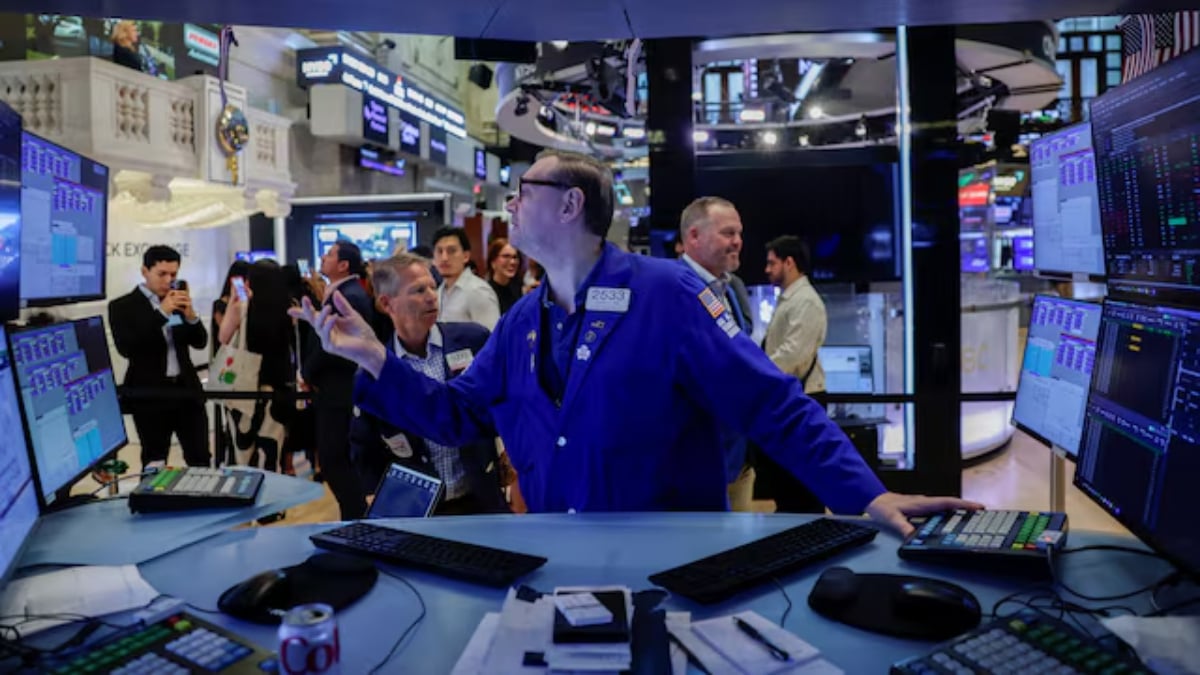
Major United States equity benchmarks experienced notable downward pressure as a retreat in high-profile technology shares led a broader market pull-back. The Nasdaq and S&P 500 drop highlights growing caution among international investors who are navigating a complex mix of global policy decisions and crucial corporate financial disclosures. Market sentiment has been particularly sensitive to news surrounding potential new sanctions against Iran, combined with intense market anticipation ahead of quarterly earnings from semiconductor giant Nvidia. As financial markets digest these overlapping factors, analysts are scrutinizing how heavy-weight technology valuations will respond to evolving geopolitical conditions and sector-specific demand.
Key Drivers Behind the Recent Technology Sector Decline
The technology sector has served as a primary engine of market performance in recent years, meaning that even moderate price adjustments among major technology firms can pull down broad-market indices. When investors decide to lock in profits or reduce risk ahead of significant announcements, benchmark indexes like the S&P 500 and the Nasdaq Composite reflect that movement immediately. In the current environment, two major factors are weighing heavily on market sentiment: global geopolitical maneuvers and corporate earnings expectations.
Geopolitical tensions frequently introduce uncertainty into financial markets. Discussions concerning additional economic sanctions against Iran have re-ignited discussions regarding global energy markets, supply chain stability, and international trade relations. When sanctions are proposed or tightened, institutional investors often re-evaluate their exposure to risk-sensitive assets. Technology growth stocks, which rely heavily on long-term economic stability and uninterrupted global supply networks, can become vulnerable during periods of heightened international policy friction.
At the same time, the market is bracing for earnings from Nvidia, a pivotal player in the semiconductor and artificial intelligence hardware spaces. Because semiconductor manufacturers provide the underlying technology for diverse global industries, their financial health and forward-looking sales guidance are viewed as a bellwether for the broader technology ecosystem. Investors are carefully assessing whether current share valuations accurately reflect consumer demand and enterprise spending, leading to temporary caution and reduced trading volume across major exchanges.
How Global Market Shifts Ripple Through Broader Financial Systems
Because major indexes like the S&P 500 are market-capitalization weighted, the largest technology companies exercise a disproportionate influence over overall market direction. A decline in a handful of top-tier technology firms can push an entire index into negative territory, even if other market sectors—such as utilities, consumer staples, or healthcare—remain stable or show modest gains. This dynamic underlines the interconnected nature of modern equity markets.
To better understand how these overlapping events shape market conditions, consider the key variables currently influencing investor decisions:
- Corporate Earnings and Guidance: Quarterly financial statements offer direct insight into corporate profitability, revenue trends, and operational expenses amid broader inflation.
- Geopolitical Sanctions and Trade Policies: International restrictions affect energy prices, shipping routes, and cross-border commercial partnerships.
- Interest Rate Expectations: Central bank policies and borrowing costs dictate how aggressively institutional funds allocate capital toward high-growth equities.
- Market Valuation Adjustments: Periodic sell-offs allow markets to recalibrate asset values following extended periods of rapid appreciation.
When geopolitical risk rises alongside major earnings events, institutional traders frequently adjust their portfolios to protect against unexpected volatility. This rebalancing often involves temporarily moving capital into defensive sectors or cash equivalents, contributing to short-term declines in major stock averages.
What Market Volatility Means for Ordinary Citizens and Local Investors
While daily fluctuations on Wall Street might seem distant from the everyday lives of ordinary citizens, international market movements have far-reaching effects on the global economy. In an increasingly connected world, shifts in major stock indices can influence national economic indicators, currency stability, and local investment environments, including in developing economies like Pakistan.
For individual citizens, freelancers, and small business owners, understanding global market trends provides valuable context for financial planning:
1. Impact on Tech Sector Professionals and Freelancers
Pakistan hosts a vibrant community of software developers, IT consultants, and digital freelancers who work closely with North American and European clients. When major technology firms face financial pressure or reduced market valuations, corporate IT budgets worldwide may experience tightening. Understanding global tech dynamics helps local service providers anticipate shifts in international client demand and adjust their business strategies accordingly.
2. Mutual Funds and Retirement Savings
Many local retail investors participate in equity mutual funds or pension schemes that maintain exposure to global markets or domestic companies tied to international trade. When major global indices experience a downturn, asset management companies may report temporary dips in net asset values. Recognizing that market cycles involve periodic pullbacks can prevent panicky decision-making among everyday savers.
3. Foreign Exchange and Import Costs
Geopolitical events, particularly those involving major oil-producing regions like the Middle East, directly impact global crude oil prices. Changes in energy costs influence foreign exchange reserves, trade deficits, and domestic inflation rates in importing nations. A prolonged surge in energy prices can translate into higher transportation and electricity costs for households, demonstrating how distant policy decisions touch everyday household budgets.
Managing Personal Finances During Times of Global Uncertainty
Navigating periods of international financial volatility requires a measured, informed approach. Rather than reacting impulsively to daily market headlines, financial experts generally recommend focusing on fundamental economic principles. Maintaining a diversified portfolio, keeping an emergency savings fund, and staying informed through verified news outlets remain effective strategies for safeguarding financial wellbeing.
It is equally important for consumers and small investors to separate short-term market noise from long-term economic trends. While events like the recent market pull-back reflect immediate uncertainty surrounding sanctions and quarterly corporate disclosures, markets historically move through regular cycles of expansion and adjustment. Citizens seeking detailed guidance regarding local investment products or banking regulations should always consult official portals and accredited financial advisors to confirm specific details.
In summary, the technology-driven pull-back across major stock indices highlights the delicate balance between corporate performance and global policy developments. As market participants await further clarity on international sanctions and key earnings reports, monitoring these developments offers useful insight into broader economic trends that shape both global and local financial landscapes.
Source: ARY News
Get alerts in your inbox
Weekly roundup of Punjab schemes, Pakistan jobs, and Gulf opportunities.