Tezspire Asthma Drug Achieves Major Success in Late-Stage Trial
Tezspire has demonstrated positive results in its latest late-stage clinical trial, marking a potential breakthrough for individuals suffering from severe asthma.
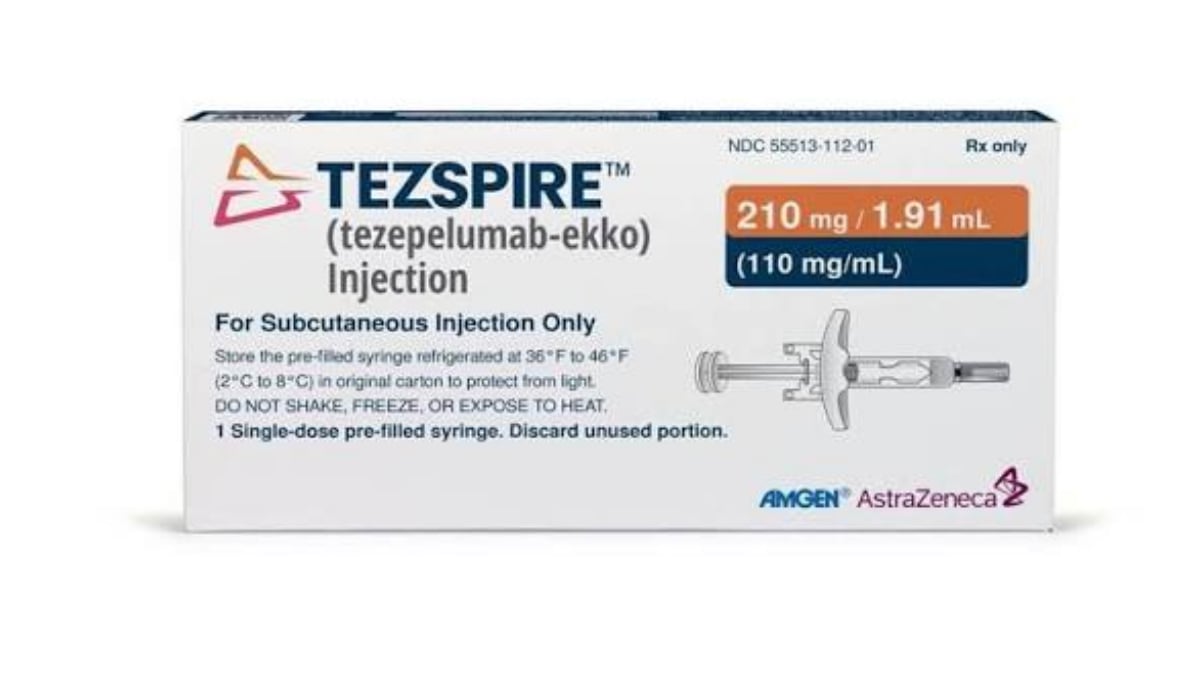
Medical research into chronic respiratory conditions has reached an encouraging milestone with the latest announcement surrounding the Tezspire asthma drug trial. Clinical researchers have reported successful outcomes from late-stage testing of the medication, marking a critical step forward in evaluating its therapeutic efficacy and overall safety profile. For millions of individuals worldwide who struggle daily with severe respiratory distress, positive developments in advanced clinical evaluations provide renewed hope for more effective management strategies in the future.
Understanding the Late-Stage Clinical Trial Milestone
In the pharmaceutical evaluation process, late-stage clinical trials—commonly referred to as Phase 3 evaluations—represent the most stringent phase of human testing before a drug can be submitted for official regulatory approval. These trials are designed to assess how well a treatment performs across larger and more diverse patient populations over extended periods. Achieving positive results in this phase confirms that the drug demonstrates significant efficacy while maintaining an acceptable safety profile when compared against existing standard therapies or placebos.
The successful outcome of the Tezspire asthma drug trial signals that the treatment has met its primary endpoints in late-stage testing. In chronic condition management, primary endpoints usually focus on reducing the frequency of severe disease flare-ups, improving overall lung function, and enhancing the patient's daily quality of life. Medical experts closely analyze these findings to determine whether the drug offers distinct therapeutic advantages over conventional treatments currently available on the market.
The Growing Need for Advanced Severe Asthma Therapies
Asthma is a complex, long-term inflammatory disease of the airways that affects people of all ages across the globe. While mild to moderate forms of the condition can often be managed effectively using standard maintenance inhalers and short-acting bronchodilators, severe asthma presents a much greater clinical challenge. Patients suffering from severe asthma frequently experience persistent symptoms, recurrent asthma attacks, and diminished lung function despite strictly adhering to prescribed high-dose combination therapies.
Because severe asthma can stem from different biological pathways and inflammatory triggers, traditional treatments sometimes fail to provide adequate control. This has driven pharmaceutical researchers to develop targeted biological treatments aimed at specific immune system proteins responsible for airway inflammation. The success of Tezspire in its late-stage evaluation highlights the progress being made in precision medicine, offering potential alternatives for individuals whose asthma remains uncontrolled under standard medical regimens.
What These Trial Findings Mean for Ordinary Citizens
For ordinary citizens, families, and patients living with chronic respiratory illness, news of a successful late-stage trial is a promising development, though it requires practical context. Understanding how clinical success translates into real-world availability helps patients set realistic expectations regarding future healthcare options.
- Potential Expansion of Treatment Options: Successful late-stage testing means that healthcare providers may eventually have a new, proven therapeutic option to prescribe for patients who do not respond adequately to standard inhalers or oral corticosteroids.
- Better Disease Control and Quality of Life: Advanced therapies aimed at severe asthma strive to reduce emergency room visits, minimize hospitalizations, and lower reliance on systemic steroids, which often carry significant long-term side effects.
- Regulatory Review Ahead: A successful trial is a key prerequisite, but the drug must still undergo comprehensive review by health regulatory authorities before it becomes commercially available to the general public.
- Consultation with Specialists: Patients currently managing severe asthma should continue their prescribed treatment plans and discuss emerging therapeutic trends with their pulmonologists or primary care physicians.
It is important to remember that drug development timelines vary by region. Once trial data is fully analyzed, manufacturer applications are submitted to national regulatory bodies for approval, followed by decisions on pricing, insurance coverage, and local distribution channels.
Next Steps in the Drug Regulatory and Approval Process
Following a successful late-stage clinical trial, the manufacturer compiles comprehensive data packages containing clinical evidence, manufacturing specifications, and safety assessments. These dossiers are submitted to regulatory institutions—such as drug regulatory agencies in major international jurisdictions and local health authorities—for rigorous independent evaluation.
During the review process, independent scientific panels evaluate whether the clinical benefits of the medication outweigh any associated risks. If approved, post-marketing surveillance continues to monitor the drug's performance in real-world clinical practice. Patients and caregivers interested in tracking the official status of Tezspire or learning more about eligibility criteria for ongoing research programs are encouraged to consult verified clinical trial registries and standard medical publications.
While this milestone marks an encouraging step forward in respiratory medicine, individuals suffering from asthma should maintain their ongoing care plans and verify any medical decisions directly with qualified healthcare professionals.
Source: ARY News
Get alerts in your inbox
Weekly roundup of Punjab schemes, Pakistan jobs, and Gulf opportunities.