Tragic Polish Bus Crash in Hungary Leaves 12 Dead and Multiple Injured
A tragic Polish bus crash in Hungary has resulted in twelve fatalities and left at least ten passengers injured, prompting urgent emergency responses.
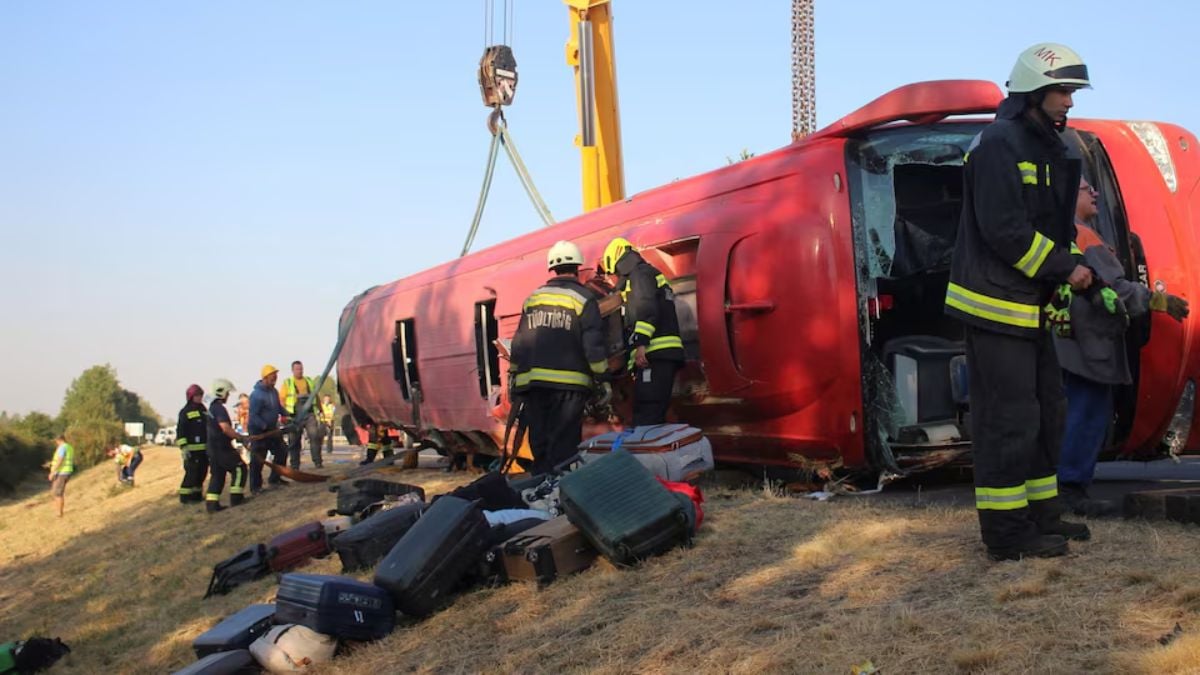
A devastating road transit accident has resulted in significant casualties after a tragic Polish bus crash in Hungary claimed the lives of twelve individuals and left at least ten others injured. Emergency response teams and local medical units were mobilized immediately to assist survivors, secure the incident perimeter, and transfer the wounded to nearby medical facilities. Cross-border road accidents involving high-occupancy passenger coaches represent severe logistical and humanitarian emergencies, requiring rapid coordination between international authorities, emergency healthcare services, and diplomatic missions.
Incident Overview and Emergency Operations
Initial reports confirm that twelve passengers lost their lives at the scene, while at least ten individuals sustained varying degrees of injuries. Responders worked under urgent conditions to extract trapped passengers, administer critical first aid, and arrange expedited transport for those requiring trauma treatment. Incidents of this magnitude place immense demand on local hospital infrastructure, necessitating triage protocols to stabilize critically injured survivors before comprehensive surgical or specialized interventions can proceed.
Whenever long-distance transport vehicles encounter catastrophic incidents abroad, inter-governmental communication channels are activated immediately. Polish and Hungarian administrative authorities regularly coordinate consular support, translation services, passenger identification procedures, and family notification networks during such crises. While specific operational findings regarding the exact mechanics of the collision remain under investigation by local authorities, emergency services prioritize life preservation, survivor care, and securing the transit corridor to prevent secondary collisions.
Road Safety Standards for Cross-Border Highway Transit
Long-distance coach journeys are a primary mode of affordable transportation across continental corridors, carrying millions of commuters, seasonal workers, and tourists every year. However, high-capacity road transit carries inherent risks that demand rigorous regulatory oversight and strict operational discipline from transport operators. Comprehensive investigations into highway incidents typically evaluate several fundamental safety dimensions to prevent recurrence across transport networks.
Key areas assessed during transport incident reviews include:
- Driver Fatigue and Shift Regulations: Commercial transport operators must adhere strictly to mandatory rest intervals, tachograph monitoring, and maximum continuous driving limits to mitigate drowsiness and maintain acute situational awareness.
- Vehicle Maintenance and Roadworthiness: Regular technical inspections targeting brake systems, tire integrity, suspension components, and electronic stability control are vital for heavy commercial vehicles navigating varied highway terrains.
- Passenger Restraint Compliance: Seatbelt adherence in long-haul coaches drastically alters survival outcomes during rollovers or high-impact collisions, making passenger compliance a crucial safety factor.
- Environmental and Route Factors: Road surface conditions, visibility challenges, construction zones, and speed management across international transit arteries require constant operational vigilance from drivers.
- Emergency Exit Accessibility: Ensuring all emergency escape hatches, break-glass windows, and safety doors are unobstructed and fully operational enables rapid evacuation during critical emergencies.
What This Means for Ordinary Citizens and International Travellers
For citizens, overseas commuters, and international travelers, catastrophic transport events underscore the critical importance of personal transit preparedness and institutional awareness. Many individuals rely on cross-border buses for holiday travel, family visits, or employment commutes, often crossing multiple jurisdictions in a single journey. Understanding emergency preparedness and adhering to standard safety measures significantly enhances individual protection during unexpected roadway crises.
When planning or embarking on long-distance road journeys abroad, passengers should observe essential precautionary protocols to protect themselves and assist their families in emergencies:
- Always Fasten Seatbelts: Regardless of local enforcement or journey length, keeping your seatbelt buckled throughout the duration of coach travel provides the single most effective defense against severe impact trauma.
- Verify Registered Transport Operators: Book travel through fully licensed, accredited coach companies that maintain verified safety records, comprehensive passenger liability coverage, and professional driver scheduling.
- Maintain Accessible Emergency Contacts: Keep physical and digital copies of national identification, passport documents, health insurance policies, and next-of-kin emergency telephone numbers easily accessible rather than stowed away in main luggage.
- Register with Consular Travel Platforms: Citizens travelling abroad should utilize their country's overseas registration services to ensure diplomatic missions can establish contact and provide assistance during major regional emergencies.
- Identify Vehicle Safety Outlets: Upon boarding any commercial transit vehicle, take immediate note of the nearest emergency exits, fire extinguishers, and first-aid kits.
Consular Coordination and Verification of Official Information
In the aftermath of serious international transport disasters, accurate information dissemination is essential. Families seeking news regarding loved ones travelling on cross-border routes should avoid relying on unverified social media claims and instead consult official updates issued by relevant foreign ministries, embassy liaison offices, and designated emergency hotlines. Consular representatives work directly with hospital administration and local law enforcement to verify passenger manifests, coordinate legal documentation, and facilitate medical repatriation or survivor support.
The tragic loss of twelve lives and the injuries suffered by at least ten passengers serve as a sobering reminder of the vital importance of roadway vigilance, rigorous vehicle maintenance, and strict commercial transport enforcement across all transit corridors.
Source: ARY News
Get alerts in your inbox
Weekly roundup of Punjab schemes, Pakistan jobs, and Gulf opportunities.