Trump Rules Out Iran Talks as Strait of Hormuz Remains Closed
Donald Trump has confirmed that no diplomatic negotiations are scheduled with Iran, while authorities in Tehran maintain that the Strait of Hormuz remains closed to maritime traffic.
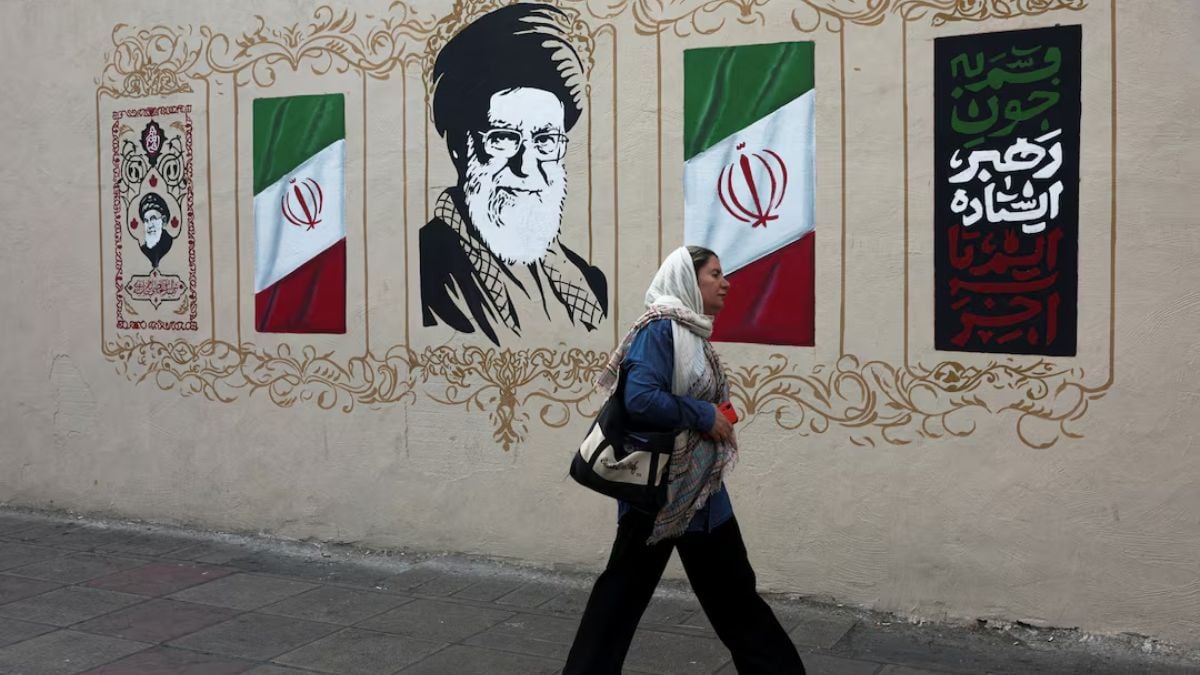
The geopolitical atmosphere surrounding global energy security has tightened following statements from Washington and Tehran regarding diplomatic negotiations and maritime security. Donald Trump has publicly stated that no diplomatic talks are currently planned with Iranian officials. At the same time, authorities in Tehran have confirmed that the critical Strait of Hormuz closure remains in effect, maintaining a period of high friction across one of the world's most vital commercial shipping corridors. This simultaneous refusal of formal negotiation and ongoing blockade of maritime transit points toward a prolonged standoff with wide-reaching diplomatic and economic consequences.
Diplomatic Standoff and the Absence of Direct Negotiations
The explicit confirmation from Trump that direct talks with Iran are not on the immediate schedule signals an aggressive diplomatic posture. For international observers, financial institutions, and regional powers, the lack of official dialogue complicates efforts to negotiate maritime access and regional stability. When formal communication channels remain inactive during acute security crises, the potential for miscalculation in contested maritime zones increases significantly.
In response to external pressures, political and military leadership in Tehran has maintained a firm stance, linking the operational status of regional shipping lanes to broader security grievances. By asserting that no bilateral meetings are planned, Washington underscores a strategy focused on political firming rather than immediate compromise. Meanwhile, Iranian declarations confirming that the maritime pass remains shut indicate an intent to leverage strategic waterways to demonstrate regional influence. International organizations and neutral trading partners continue to monitor whether third-party diplomatic entities will intervene to encourage a return to structured negotiation.
Strategic Significance of the Strait of Hormuz Route
The Strait of Hormuz serves as a primary geographic chokepoint for global maritime trade, positioning itself as the key export corridor connecting Persian Gulf energy producers with international markets. A substantial portion of the world's daily crude oil supply and liquefied natural gas shipments passes through this narrow maritime channel. Any continued disruption or operational closure directly impedes the flow of vital energy commodities to major consuming economies across Asia, Europe, and the Americas.
Tehran's ongoing enforcement of the shipping shutdown poses immediate logistical hurdles for commercial vessel operators, maritime insurance providers, and global trade networks. Commercial ships seeking to transport crude oil or refined products face dramatically higher insurance premiums, delayed shipping schedules, or the necessity of taking longer alternative routes around continental landmasses. These detours inevitably increase operational costs, lengthen transit times, and strain global logistics networks.
What the Strait of Hormuz Closure Means for Ordinary Citizens
While high-level geopolitical disputes take place on international stages, disruptions to vital maritime chokepoints have immediate, tangible effects on everyday consumers. When major energy corridors are restricted, the resulting supply constraints quickly ripple through international markets, ultimately impacting domestic household budgets. For citizens in developing and emerging economies, the real-world implications of this ongoing crisis manifest across several core areas:
- Surging Domestic Fuel Prices: Reduced international crude availability leads to immediate price increases in global oil benchmarks, which typically translate into higher costs at local petrol and diesel stations.
- Widespread Goods Inflation: Higher maritime freight and insurance rates increase the transportation costs for imported raw materials, industrial components, and everyday consumer items, driving up retail prices.
- Increased Utility and Power Tariffs: Countries relying on imported liquefied natural gas or petroleum products for domestic electricity generation face higher procurement costs, leading to increased utility bills for households.
- Supply Chain and Import Delays: Prolonged shipping blockades cause delays in cargo deliveries, potentially resulting in temporary local shortages of vital commercial items and manufacturing inputs.
- Currency and Purchasing Power Strain: Elevated national import bills for essential energy resources place heavy pressure on foreign exchange reserves, which can destabilize local currencies and reduce individual purchasing power.
For everyday households, these broader market adjustments result in higher commuting expenses, elevated grocery bills, and increased overall living costs. Small business owners who rely on imported components or consistent transport networks also face operational uncertainty and reduced profit margins during prolonged shipping crises.
Navigating Market Volatility and Verifying Updates
In light of evolving geopolitical developments, citizens and business operators are encouraged to rely on official, verified reports regarding national energy policies and domestic price adjustments. Government ministries, petroleum regulatory bodies, and economic planning agencies regularly publish official notices detailing strategic fuel reserves, price benchmarks, and consumer guidance during international market disruptions. Readers should consult official government bulletins and established policy announcements to accurately assess economic impacts.
As Washington maintains its stance against immediate negotiations and Tehran keeps the strategic shipping lane restricted, international commercial channels remain under severe pressure. Future developments will depend heavily on international diplomatic efforts to secure commercial navigation routes and stabilize global commodity distribution networks.
Consumers and industry stakeholders should continue monitoring verified updates from relevant national energy and trade authorities to stay informed on domestic policy responses and price adjustments.
Source: ARY News
Get alerts in your inbox
Weekly roundup of Punjab schemes, Pakistan jobs, and Gulf opportunities.