Truth Behind the Meghan Markle and David Foster Red Carpet Rumors
Viral reports regarding an alleged red carpet moment between Meghan Markle and David Foster have sparked widespread online commentary. Here is an editorial look at how media narratives frame celebrity interactions and what readers should know.
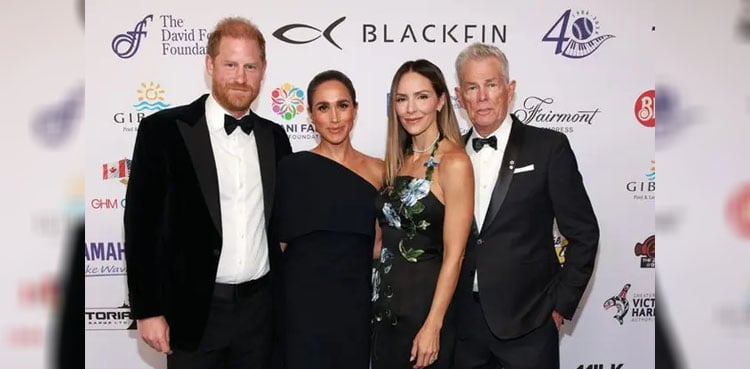
In recent days, widespread online discussion and entertainment headlines have centered on an alleged Meghan Markle red carpet snub involving renowned Canadian music producer and composer David Foster. High-profile public appearances featuring members of the royal family alongside prominent entertainment industry figures consistently generate immediate worldwide media interest. However, brief video clips, single photograph frames, and short digital clips often present an incomplete picture of complex social interactions. Sensational headlines alleging personal friction, deliberate avoidance, or awkward social moments frequently circulate across social media platforms long before full context or primary source verification can be established. This editorial overview examines the circumstances behind these viral reports, deconstructing how routine red carpet logistics can be reinterpreted into dramatic public controversies and explaining why visual narratives often diverge from real-world events.
Understanding the Mechanics of High-Profile Red Carpet Events
Public events such as charity galas, award shows, and film premieres operate under demanding conditions characterized by tight scheduling, intense noise, and highly controlled press corridors. Red carpet areas are managed by event directors, public relations handlers, and security personnel who continuously direct guests along specific paths to ensure broadcast interviews and photograph opportunities remain on schedule. Within these chaotic environments, public figures are constantly moved between media outlets, photographer pits, and venue entrances. Consequently, brief exchanges, interrupted conversations, or sudden direction changes are routine logistical realities rather than deliberate personal statements.
When high-profile individuals such as the Duchess of Sussex attend major events alongside established public figures like David Foster, every gesture, glance, and movement is captured by dozens of high-definition cameras simultaneously. Without access to continuous, unedited video footage or official commentary from the individuals involved, short video segments circulated on digital platforms can easily produce the illusion of a social snub. Media analysts frequently note that selective editing and zoomed-in camera perspectives can transform a routine logistical re-routing or a momentary conversation pause into a viral story about interpersonal tension.
Fact-Checking Viral Claims and Identifying Sensational Reporting
To distinguish verified factual reporting from speculative digital gossip, readers must closely evaluate how media outlets structure their coverage. Stories alleging public disagreements or social tension between public figures often rely on subjective interpretations of body language, unverified social media reactions, or anonymous commentary rather than direct quotes or primary statements. Evaluating whether a narrative represents accurate journalism requires examining key structural elements within the published report.
Key Indicators of Sensationalized Media Coverage
- Dependence on Anonymous Sources: Relying heavily on unnamed commentary or unverified social media opinions instead of official press statements.
- Speculative Language: Frequent use of subjective phrasing such as appeared to ignore, seemed distant, or was caught on camera avoiding without supporting evidence.
- Selective Video Truncation: Isolating short two-second to three-second video snippets while omitting the full context of the interaction.
- Contradiction of Official Context: Ignoring official event schedules, protocol directives, and security instructions that govern guest movement.
- Absence of Primary Confirmation: Publishing definitive claims of a personal dispute without attempting to confirm details with the official representatives of the involved parties.
What Celebrity Media Trends Mean for Ordinary Citizens
Although news surrounding international public figures and celebrity interactions may appear distant from everyday public affairs, the underlying information dynamics directly affect how citizens engage with news in their daily lives. The same digital algorithms, attention-driven publishing strategies, and sensational framing techniques used to amplify reports about a Meghan Markle red carpet snub are routinely applied to policy announcements, public service notices, economic news, and government scheme updates. Developing a clear understanding of how visual and textual media can be selectively presented empowers everyday citizens to cultivate stronger digital literacy skills.
For ordinary citizens navigating an increasingly complex media landscape, applying critical media evaluation habits offers significant practical benefits across various daily scenarios:
- Evaluating Public Notices Accurately: Distinguishing verified government updates and official scheme guidelines from speculative summary articles or misleading social media posts.
- Preventing Misinformation Spread: Verifying facts before sharing administrative updates, employment alerts, or financial news within family and professional networks.
- Identifying Primary Sources: Looking for official government domain publications, official gazettes, or verified press releases prior to accepting sensational claims.
- Recognizing Algorithmic Bias: Understanding that digital search engines and social feeds often prioritize dramatic headlines designed to maximize clicks over balanced, verified reporting.
Developing Reliable Verification Habits for Daily Information
Navigating modern information environments requires readers to adopt a systematic approach to news consumption. Whether reviewing international cultural reporting or examining local policy announcements, applying consistent verification standards protects citizens from inaccurate conclusions. When official confirmation or primary documentation is missing from a published article, readers should approach extraordinary claims with cautious skepticism. In cases where official guidelines or administrative details are unconfirmed, citizens are advised to consult primary official websites and verified government portals directly to obtain accurate, up-to-date information.
In summary, the ongoing narrative regarding Meghan Markle and David Foster highlights how quickly routine public moments can be transformed by viral media reporting. While high-profile celebrity coverage continues to attract global attention, maintaining a critical approach to media consumption ensures that readers remain focused on verified facts rather than speculative commentary. By applying careful evaluation methods to all forms of news, citizens can ensure they receive accurate information across entertainment, public policy, and essential community services.
Source: ARY News
Get alerts in your inbox
Weekly roundup of Punjab schemes, Pakistan jobs, and Gulf opportunities.