Understanding Tectonic Friction and Earthquakes in Active Seismic Regions
Following fatal tremors in Colombia and Venezuela, scientific analysis highlights how tectonic plate friction causes sudden, devastating seismic events.
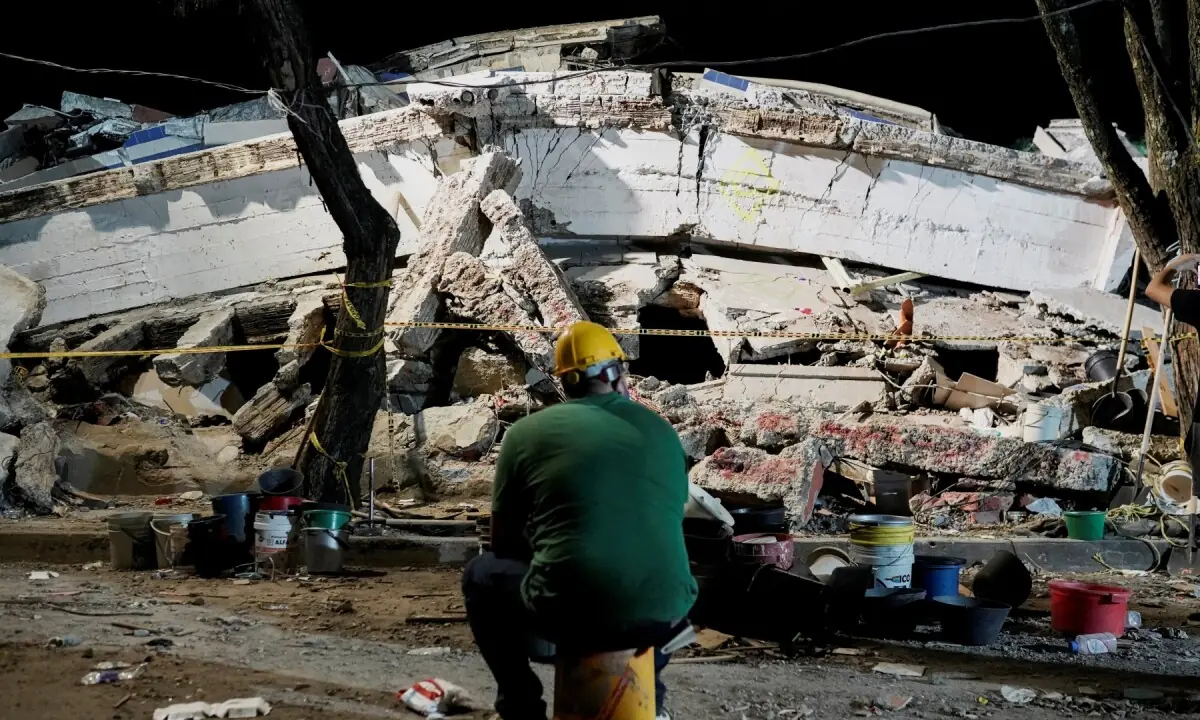
Recent catastrophic geological events in South America have renewed global focus on natural hazard awareness and subterranean science. As Colombia works through the aftermath of one of the most powerful earthquakes in its recorded history—which resulted in at least 250 fatalities—the region remains on high alert. This tragedy occurred just weeks after twin tremors in neighboring Venezuela caused more than 6,000 deaths, prompting communities and researchers to closely analyze the causes of such heavy destruction. Gaining a comprehensive perspective on earthquake safety and seismic risk requires examining the fundamental physical forces driving these underground disruptions and recognizing how localized geological structures impact human settlements.
The Mechanics of Tectonic Plate Boundaries
At the core of severe seismic activity is the constant movement of the Earth's outermost layer. The surface of our planet is divided into several massive, rigid sections known as tectonic plates. These subterranean blocks are not static; instead, they float slowly over the semi-fluid mantle beneath them. Regions like Colombia and Venezuela are located directly along the boundaries where multiple moving plates intersect, creating complex geological stress points.
Because tectonic plates are perpetually in motion, their boundaries experience relentless interaction. As adjacent plates slide past, push against, or pull away from one another, their rough edges snag. This interaction generates immense frictional resistance. Rather than moving smoothly, the plates lock together at their margins while the deep interior forces driving them continue unabated. Over long periods, this dynamic stores staggering amounts of mechanical strain along fault lines.
Accumulation and Sudden Release of Energy
The process of strain accumulation is continuous and largely imperceptible at the surface. For years or even centuries, the locked boundary holds the massive tectonic forces in check. However, the physical tolerance of the surrounding rock is not limitless. When the built-up internal stress eventually exceeds the frictional force holding the rock faces together, the fault ruptures violently.
This sudden slipping allows the plates to snap into new positions, instantaneously releasing the stored potential energy in the form of seismic shockwaves. These shockwaves radiate outward in all directions through the Earth's crust, causing the severe surface shaking that defines major earthquakes. When ruptures occur near heavily populated centers or at shallow focal depths, the resulting ground motions can trigger widespread structural failure.
Why Consecutive Seismic Events Present Severe Hazards
The close timing of devastating quakes in adjacent nations highlights the interconnected nature of regional fault systems. When a primary fault ruptures, the massive redistribution of stress within the Earth's crust can alter the stability of nearby geological structures. This chain reaction often triggers significant aftershocks or even independent seismic events on neighboring fault lines.
Multiple seismic shocks within a brief timeframe compound the danger to public infrastructure and local populations. Structures that survived an initial tremor with minor or unseen structural damage become far more vulnerable to subsequent vibrations. Furthermore, ongoing ground instability complicates emergency relief operations, increases the likelihood of secondary hazards like landslides, and severely disrupts essential public utilities.
What Seismic Risk Means for Ordinary Citizens
For individuals residing in or near seismically active geographic zones, understanding the nature of tectonic hazards is a vital component of personal and community protection. While current scientific technology cannot predict the exact day or time an earthquake will strike, recognizing local vulnerability enables households to adopt proactive measures that reduce bodily harm and property destruction.
Everyday citizens must appreciate that structural integrity and emergency readiness are the most critical factors determining survival during a tremor. Recognizing how local environments respond to ground motion helps residents make informed choices regarding home safety, property maintenance, and personal emergency response plans. Citizens are strongly encouraged to consult official national disaster management agencies and local civic authorities to verify accurate hazard maps and region-specific building guidelines.
Essential Actions for Enhancing Household Readiness
- Emergency Supply Kits: Maintain accessible stockpiles containing non-perishable food, clean drinking water, basic medical supplies, battery-powered lighting, and essential personal documentation.
- Structural and Interior Audits: Secure heavy furniture, tall appliances, and hanging fixtures to walls, ensuring that shaking will not cause heavy objects to fall on occupants.
- Family Safety Plans: Establish clear communication channels and designate safe meeting points outside constructed facilities for post-event gathering.
- Identifying Safe Cover: Educate household members on immediate protective actions, such as taking cover under sturdy furniture during active shaking rather than attempting to exit buildings while the ground is moving.
- Official Information Reliance: Monitor updates exclusively from verified government disaster management portals to receive accurate safety directives and avoid spreading unverified reports.
Building Community Resilience Through Verification and Safety
The heavy losses recorded in Colombia and Venezuela serve as a stark reminder of the power inherent in the Earth's moving crust. Mitigating the consequences of future subterranean shocks demands continuous public education, strict enforcement of modern engineering standards, and robust civic preparedness protocols. Citizens living in seismically sensitive regions should actively engage with municipal safety programs, inspect their living environments for structural vulnerabilities, and strictly rely on certified government channels for official updates and emergency procedures.
Source: Dawn News
Get alerts in your inbox
Weekly roundup of Punjab schemes, Pakistan jobs, and Gulf opportunities.