UNICEF Praises Pakistan Customs for Facilitating Humanitarian Cargo
UNICEF has commended Pakistan Customs for facilitating the smooth clearance and transit of vital humanitarian aid shipments bound for Afghanistan.
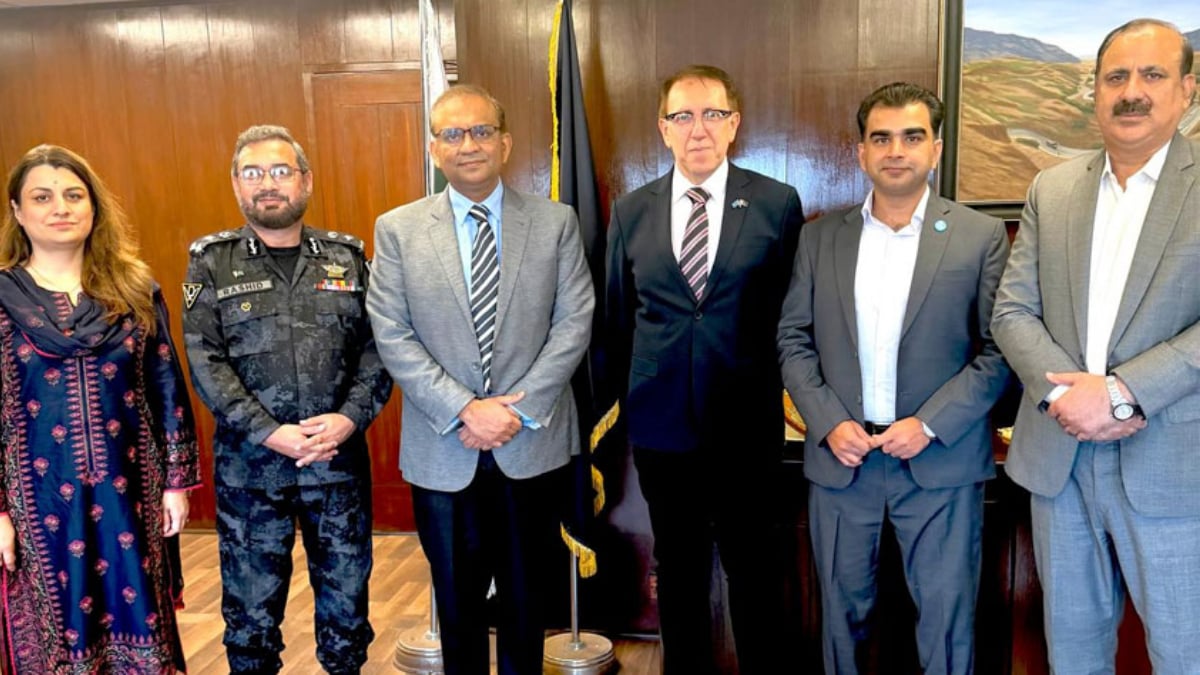
The United Nations Children's Fund (UNICEF) has officially commended the proactive role played by Pakistani border authorities in facilitating the movement of vital aid across international frontiers. Through dedicated clearance procedures, the management of Pakistan Customs humanitarian cargo bound for neighboring Afghanistan has ensured that critical supplies, medical materials, and emergency aid reach vulnerable populations without unnecessary operational delays. This acknowledgment highlights the vital role that efficient border logistics play in maintaining humanitarian lifelines during periods of complex regional need.
As a landlocked nation, Afghanistan relies significantly on transit corridors passing through Pakistan to receive international assistance and commercial goods. The coordination between international relief organizations and national border agencies reflects a shared commitment to upholding international humanitarian standards while preserving robust regulatory oversight. Streamlining these corridors requires continuous operational refinement, modern technology integration, and dedicated personnel at primary border crossings.
International Recognition for Regional Relief Facilitation
The praise from UNICEF underscores the strategic importance of Pakistani transit routes for international relief missions. When humanitarian crises demand rapid intervention, standard commercial customs procedures can sometimes create bottlenecks if specialized protocols are not established. By implementing expedited processing measures, Pakistan Customs has demonstrated how administrative efficiency directly translates into life-saving support on the ground.
Relief shipments frequently include temperature-sensitive vaccines, nutritional supplements, water sanitation equipment, and emergency shelter materials. Any prolonged delay at border terminals risks spoiling perishable goods or withholding emergency relief from communities in urgent distress. The cooperation between international agencies and customs authorities ensures that emergency clearance protocols are applied swiftly while maintaining necessary security and verification standards.
Modernizing Transit Trade and Border Operations
Over recent years, Pakistani trade authorities have worked to modernize cross-border movements through integrated transit trade management systems. These enhancements incorporate digital tracking, pre-arrival processing, and automated documentation checks designed to reduce physical clearance times. Applying these modernized frameworks to humanitarian aid allows emergency consignments to bypass non-essential administrative hurdles.
Major border points, including Torkham and Chaman, serve as the primary gateways for transit trade. Managing the high volume of daily traffic at these terminals demands careful prioritization. By categorizing international relief goods under special clearance guidelines, border management officials can balance strict regulatory compliance with the urgent demands of global aid operations.
What This Means for Ordinary Citizens and Local Communities
While the immediate beneficiaries of expedited aid delivery are populations across the border, these efficient operations also carry significant implications for ordinary Pakistani citizens, local businesses, and border communities. Understanding the domestic impact of well-managed transit corridors helps highlight why institutional efficiency at the border matters to the general public.
First, smooth transit management directly reduces congestion at major national transport corridors and border terminals. When aid trucks and commercial freight move efficiently through clearance zones, local roadways experience fewer prolonged traffic gridlocks. This reduced congestion improves everyday travel conditions for local residents and prevents costly delays for domestic supply chains operating in nearby districts.
Second, a well-regulated and active transit trade sector creates direct and indirect economic opportunities for local populations. Border towns rely heavily on trade-related services, including freight handling, local transport logistics, vehicle maintenance, and hospitality services. When transit operations run seamlessly, local service providers experience steady demand, contributing to economic stability in border regions.
Third, strong international cooperation enhances Pakistan's global standing as a reliable trade and logistics hub. High institutional performance in handling international aid builds trust among global trading partners and multilateral institutions. Over time, this positive reputation can encourage greater investment in national logistics infrastructure, leading to upgraded highways, modernized dry ports, and improved public utilities that benefit domestic consumers and transport operators alike.
Key Aspects of Humanitarian Cargo Facilitation
Effective management of international transit shipments relies on several structured operational practices. The following key elements enable border agencies to maintain balance between swift facilitation and regulatory oversight:
- Priority Clearance Lanes: Establishing dedicated processing queues for verified relief consignments to minimize waiting times at border gates.
- Automated Documentation: Utilizing digital transit trade portals to verify origin certificates and international relief authorizations prior to arrival.
- Inter-Agency Coordination: Maintaining direct communication channels between federal customs officers, security personnel, and international relief representatives.
- Secure Logistics Tracking: Employing electronic monitoring systems to track humanitarian shipments from ports of entry to border exit terminals.
- Specialized Handling Protocols: Implementing fast-track inspections for temperature-sensitive medical supplies and perishable food items.
Ensuring Transparency and Regulatory Integrity
Facilitating humanitarian aid does not mean compromising on national security or regulatory standards. Customs protocols require that all incoming aid consignments undergo mandatory verification checks to confirm that the contents match declared manifests. This rigorous checking mechanism guarantees that duty exemptions and emergency concessions are granted exclusively to legitimate humanitarian organizations recognized by official international agreements.
The successful balance of speedy clearance and thorough inspection serves as an operational benchmark for other public sector institutions. It demonstrates that administrative processes can remain secure while adapting flexibly to extraordinary humanitarian circumstances.
For citizens, businesses, and logistics operators seeking updated information regarding transit trade regulations, import duties, or official clearance procedures, official guidelines are routinely updated on the official Pakistan Customs portal. Readers are encouraged to verify specific regulatory requirements directly through official government releases and certified trade notices.
Source: ARY News
Get alerts in your inbox
Weekly roundup of Punjab schemes, Pakistan jobs, and Gulf opportunities.