US Approves Rasonque for Pancreatic Cancer Treatment: Key Implications
US health authorities have approved Rasonque for treating pancreatic cancer, offering a new treatment option in oncology while raising important questions about global access.
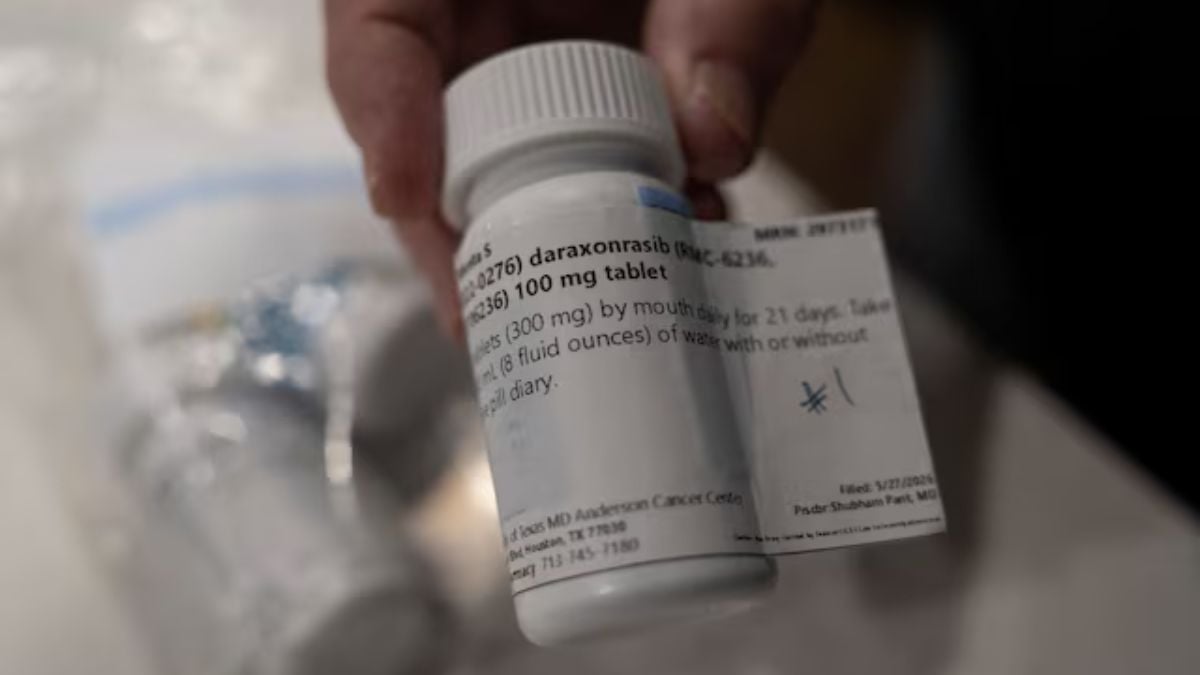
In recent developments within global healthcare, international oncology experts have turned their attention to the official Rasonque pancreatic cancer drug approval granted by regulatory authorities in the United States. Pancreatic cancer continues to represent one of the most challenging oncological conditions facing modern medicine, frequently requiring specialized treatment strategies and continuous research innovation. The decision by American health regulators to clear Rasonque introduces a new therapeutic option for medical professionals managing complex cases. While this regulatory milestone took place in the US, its broader impact extends across international medical communities, initiating important discussions regarding patient access, international drug registration standards, and potential treatment options for individuals affected by this severe illness.
Understanding the Significance of Rasonque in Modern Oncology
Pancreatic cancer is widely recognized by healthcare professionals as a particularly aggressive form of malignancy. Due to the organ's location deep within the abdomen and the subtle nature of early symptoms, diagnosis often occurs at advanced stages. Traditional treatment avenues—including surgical intervention, radiation therapy, and standard chemotherapy regimens—have provided varying degrees of success, but medical research continually strives to identify targeted solutions capable of delivering better clinical outcomes.
The authorization of Rasonque represents an incremental yet significant advancement in expanding the available tools for cancer treatment. Regulatory evaluation processes in major markets examine extensive clinical trial data to establish whether a novel compound demonstrates sufficient safety, quality, and efficacy to justify widespread medical use. For clinicians, having an additional therapeutic choice allows for greater flexibility when designing personalized treatment plans tailored to specific patient profiles, disease stages, and overall health status.
What the US Regulatory Decision Means for Ordinary Citizens
For ordinary citizens, patients, and families navigating a pancreatic cancer diagnosis, news of an international drug authorization often brings renewed hope alongside practical questions regarding availability and access. Understanding how such regulatory decisions impact everyday individuals requires examining several distinct factors:
- Immediate Local Availability: Approval by US regulatory authorities does not automatically translate into immediate availability in domestic pharmacies or regional public health systems. Local healthcare frameworks require separate registration, evaluation, and import approvals before a drug can be legally distributed.
- Special Import Pathways: In many countries, health authorities maintain special import provisions that allow oncologists to request unapproved or imported medications for specific patients under compassionate use or named-patient schemes. Individuals interested in such avenues must consult their primary medical team.
- Protection Against Counterfeits: Public announcements regarding new treatments can sometimes attract unverified sellers or counterfeit drug distribution. Patients are strongly advised to source medications exclusively through licensed health institutions and authorized pharmaceutical channels.
- Financial and Supply Logistics: Advanced oncology treatments frequently carry substantial production and import costs. Understanding the economic feasibility and potential coverage under national health schemes or private insurance requires clear communication with healthcare providers.
It is vital for patients and caregivers to recognize that medical treatments must always be administered under strict professional supervision. Individuals seeking details about Rasonque or evaluating whether it suits a specific case should discuss their options directly with qualified oncologists, while keeping track of announcements from national drug regulatory bodies.
Global Regulatory Benchmarks and International Licensing
Decisions rendered by leading international regulatory bodies often serve as reference points for public health organizations worldwide. When a high-profile regulator grants market authorization for a drug like Rasonque, it frequently accelerates review processes in other jurisdictions. Pharmaceutical manufacturers typically file for regulatory clearance across multiple regions, enabling broader international distribution over time.
In developing healthcare ecosystems, local authorities review international safety assessments alongside domestic health requirements. This multi-step process ensures that any imported medicine meets rigorous quality standards before reaching public hospitals or commercial markets. Consequently, while the initial approval creates a vital benchmark, localized distribution relies entirely on domestic health approvals and supply chain integration.
Navigating Medical Information and Official Verification
In an era where health news spreads rapidly online, distinguishing between verified medical updates and premature claims is essential for public safety. Patients dealing with serious conditions like pancreatic cancer should rely on trusted, objective information channels rather than unverified commercial reports.
To confirm the regulatory status, import pathways, or approved usages of novel medical therapies, citizens should consult primary sources such as official health ministry publications, verified medical research journals, and certified hospital administration desks. Maintaining close communication with attending physicians ensures that medical decisions remain grounded in sound scientific advice and customized patient care.
The authorization of Rasonque marks a positive step forward in global pancreatic cancer management, reinforcing the vital role of ongoing medical research. As regulatory frameworks and distribution networks progress, patients and medical professionals alike will gain clearer insights into how this new treatment can be safely integrated into clinical practice.
Source: ARY News
Get alerts in your inbox
Weekly roundup of Punjab schemes, Pakistan jobs, and Gulf opportunities.