US Beef Recall Issued: Essential Safety Details and Consumer Advice
Authorities have issued a US beef recall following safety concerns regarding specific meat products. Learn how to identify affected items and protect your household.
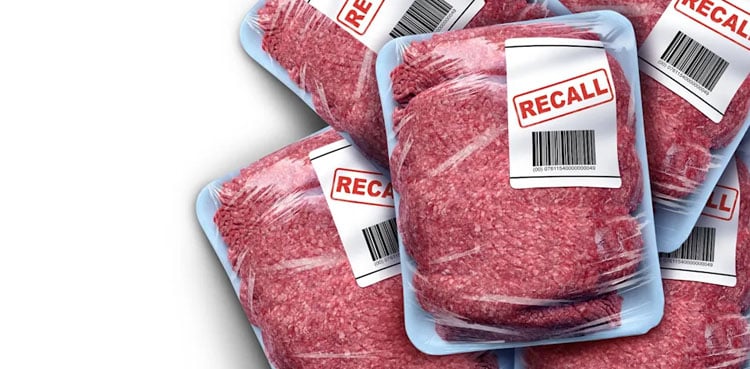
Food safety authorities in the United States have announced a major US beef recall after potential contamination or regulatory non-compliance concerns were identified during routine inspection protocols. Public health officials regularly issue these critical warnings to prevent unsafe food products from reaching retail shelves, commercial kitchens, and household dinner tables. While product safety alerts of this nature originate through international monitoring bodies, staying informed about global supply chains is essential for consumers, commercial importers, and food service operators alike.
Understanding the Scope of the Product Recall
When regulatory agencies declare a meat recall, the objective is to swiftly remove potentially hazardous items from distribution channels before widespread exposure occurs. In typical food safety actions involving raw or processed meat, alerts are triggered by routine sampling, facility inspections, or consumer complaints. These interventions address risks such as harmful bacterial pathogens, undeclared food allergens, packaging defects, or processing irregularities that fail to meet stringent health standards.
Because specific batch numbers, packaging codes, and brand names are subject to continuous updates during an active investigation, consumers and business owners must verify exact details directly through official health enforcement portals. Regulatory authorities emphasize that individuals should not rely on assumptions when evaluating meat products in their possession. Inspecting package stamps, production dates, and facility identification numbers remains the primary method for identifying non-compliant inventory.
What the Beef Recall Means for Ordinary Citizens
For ordinary citizens, a public safety recall serves as a crucial reminder to practice active kitchen vigilance and double-check stored food supplies. Even when a safety alert is issued in another jurisdiction like the United States, modern globalized trade means that specialty grocers, imported food stores, and international hospitality venues frequently handle overseas meat shipments. Understanding how to interpret product warnings empowers consumers to protect their families from foodborne illnesses.
If you suspect that a meat product in your home refrigerator or freezer is included in a recall notice, practical precautionary steps should be taken immediately. Health experts consistently advise against consuming, cooking, or serving any food product subject to a public alert. Cooking contaminated meat at standard household temperatures may not always eliminate specific toxins or address physical contamination issues, making complete disposal or store returns the safest course of action.
Key Steps for Consumers to Check Their Products
To determine whether your meat purchases are impacted by this or any future health warning, review the following practical recommendations:
- Examine Packaging Labels: Locate the USDA mark of inspection or establishment number printed on the original product packaging to identify the originating facility.
- Verify Lot and Batch Numbers: Compare the production codes, use-by dates, and lot numbers on your package against official bulletins published by food safety authorities.
- Prevent Cross-Contamination: If you suspect a product is affected, place it in a sealed plastic bag away from fresh produce and other items in your refrigerator.
- Return or Safely Discard: Take affected items back to the point of purchase for a full refund, or dispose of them securely so that pets or wildlife cannot access them.
- Monitor Health Symptoms: Seek professional medical evaluation if anyone in your household experiences gastrointestinal illness after consuming meat products.
Import Standards and Global Supply Chain Vigilance
Food security and import safety protocols rely heavily on international cooperation and transparent communication between regulatory bodies. When a safety alert is publicized abroad, local market regulators monitor import logs to ensure non-compliant shipments do not enter domestic supply networks. Importers and wholesale buyers are responsible for tracing their supply chains and ensuring that all inventory complies with national health standards.
For consumers shopping at premium import markets or dining at commercial establishments, asking retailers about the origin of their meat supply provides added peace of mind. Responsible retailers maintain direct communication with their suppliers to immediately quarantine and remove any goods identified in health advisories.
Maintaining awareness of international food recalls helps build a proactive community focused on hygiene, safety, and health protection. Always refer to official government health agencies and authorized food control departments to confirm the most accurate, up-to-date recall listings and technical guidelines.
Source: ARY News
Get alerts in your inbox
Weekly roundup of Punjab schemes, Pakistan jobs, and Gulf opportunities.