US Dollar Rate Today in Pakistan: Market Trends and Economic Impact
Explore the latest analysis of the US Dollar Rate Today in Pakistan, including interbank movements, open market dynamics, and how currency fluctuations affect household budgets and foreign trade.
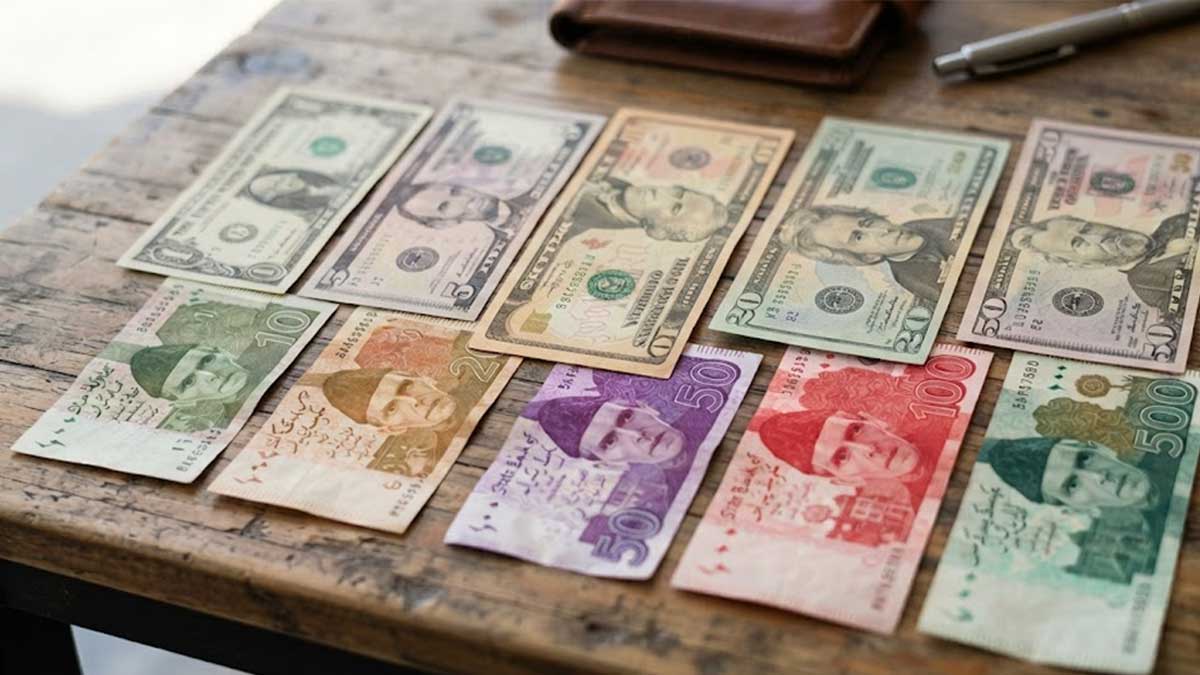
Tracking the US Dollar Rate Today in Pakistan remains essential for investors, business owners, students planning overseas education, and households dependent on international remittances. The exchange rate of the greenback against the Pakistani Rupee serves as a central barometer for the national economy, directly impacting inflation levels, commodity pricing, and foreign debt obligations. Whether transactions take place through commercial banking channels or retail currency counters, daily currency movements shape key financial decisions across the country.
Understanding Interbank and Open Market Mechanics
In the Pakistani financial ecosystem, exchange rates operate across two main operational platforms: the interbank market and the open market. The interbank rate reflects wholesale currency transactions conducted between commercial banks and regulated financial institutions, largely driven by international trade settlements, import payments, and foreign currency inflows. The open market rate, managed by licensed exchange companies, caters to individual retail customers needing cash for foreign travel, medical expenses, or personal foreign currency accounts.
While both markets generally move in tandem under free-market dynamics, minor variations or spreads between them can emerge due to localized liquidity demand, cash handling costs, and retail market sentiment. Financial regulators closely monitor these channels to maintain order and prevent excessive volatility that could disrupt broader economic stability.
Key Factors Influencing Exchange Rate Movements
The daily valuation of foreign currencies relative to the local rupee is governed by a combination of domestic and global macroeconomic fundamentals. Fluctuations in foreign exchange reserves, international trade balances, and global economic shifts all contribute to regular rate updates.
- Foreign Remittance Inflows: Money sent home by overseas Pakistanis provides a crucial supply of foreign currency, helping to support local currency reserves.
- Import Bill Commitments: Payments for essential imports such as petroleum products, industrial raw materials, and agricultural inputs generate substantial demand for foreign currency.
- Global Commodity Prices: Shifts in crude oil, gas, and fertilizer prices on international markets directly alter the total foreign exchange required for national imports.
- Monetary Policy Settings: Interest rate decisions by central banks, both locally and internationally, influence foreign capital movement and investment flows.
- External Financing Flows: Bilateral loans, multilateral financial support, and debt servicing schedules significantly influence foreign currency availability in domestic reserves.
What the US Dollar Rate Means for Ordinary Citizens
Changes in foreign currency valuations filter down into the everyday economic realities of Pakistani households. Because a major portion of essential consumer goods, energy products, and industrial inputs are imported, currency fluctuations directly affect domestic price levels.
1. Impact on Household Expenses and Inflation
When the local currency depreciates against major foreign currencies, the cost of importing fuel, cooking oil, pharmaceuticals, and manufacturing components increases. This usually leads to higher prices at retail markets, raising daily living expenses for ordinary families.
2. Overseas Education and Travel Costs
For families supporting students enrolled in foreign universities, a rising exchange rate means higher tuition fee payments and higher living costs abroad when converted from local currency. Similarly, citizens traveling internationally for business, medical care, or pilgrimage face increased travel budgets.
3. Value of Overseas Remittances
On the positive side, families receiving financial support from relatives working in the Gulf, Europe, or North America receive higher local currency equivalents when foreign currency rates are higher, helping them manage domestic inflationary pressures.
Navigating Transactions and Regulatory Compliance
Financial experts advise citizens and businesses to conduct all foreign currency transactions strictly through authorized banking channels and certified exchange companies licensed by the regulatory authorities. Doing so ensures safe execution, legal protection, and access to fair market pricing without exposure to unverified street rates or unauthorized intermediaries.
Keeping official receipts for all foreign currency purchases and sales is essential for tax documentation and regulatory compliance. Moreover, avoiding speculative buying helps maintain broader market stability and prevents artificial scarcity in the retail currency market.
Because exchange rates adjust continuously throughout active financial trading hours, actual operational rates may vary slightly depending on the executing institution. Individuals planning currency exchanges are encouraged to verify live buying and selling quotes directly with their banking provider or an authorized exchange company before finalizing any transaction.
Source: ARY News
Get alerts in your inbox
Weekly roundup of Punjab schemes, Pakistan jobs, and Gulf opportunities.