US Finalizes Freshly Cut Produce Guidance After Outbreaks
US health authorities have finalized updated guidance for freshly cut produce to curb Salmonella and Cyclospora outbreaks across commercial supply chains.
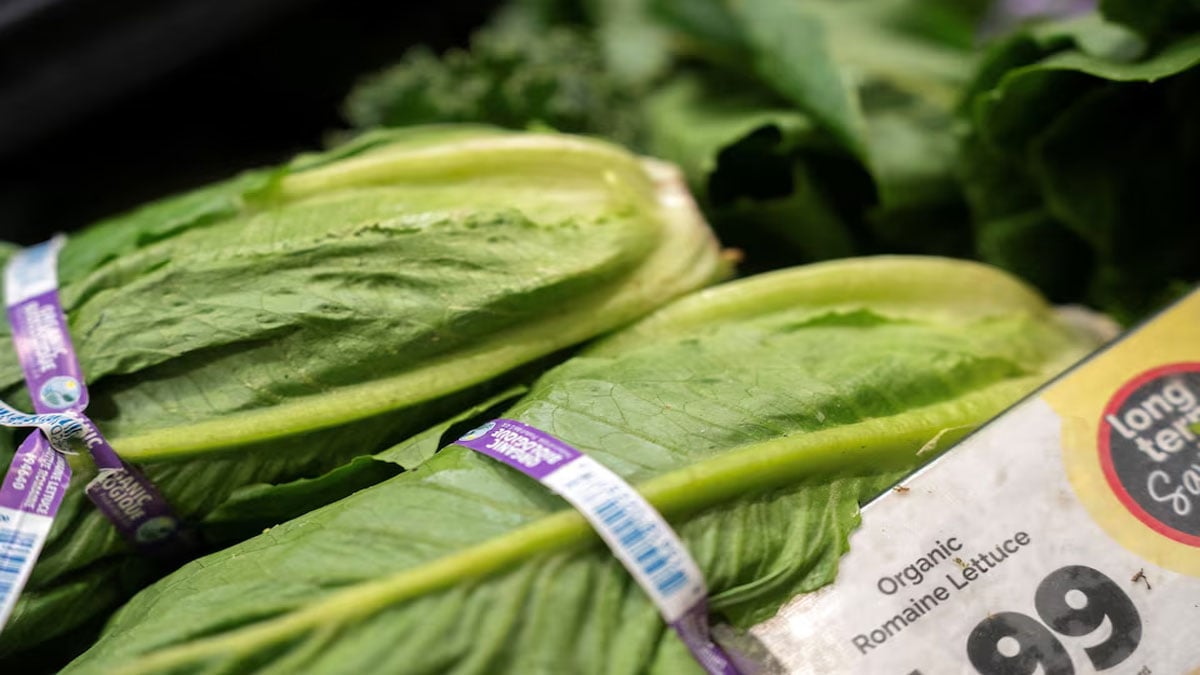
Public health regulators in the United States have finalized updated regulatory recommendations for commercial processors following widespread concerns over microbial contamination in packaged food items. The newly released freshly cut produce guidance addresses critical safety gaps identified after recent outbreaks of foodborne illnesses linked to Salmonella and Cyclospora. Freshly sliced fruits, diced vegetables, and pre-packaged salad mixes have grown immensely popular due to consumer demand for convenience. However, because the natural protective barriers of raw fruits and vegetables are removed during processing, these products face elevated risks of pathogen transmission if strict hygienic protocols are not maintained throughout the supply chain.
Understanding Foodborne Contamination Hazards
The regulatory action comes in the wake of multi-state health investigations that identified fresh-cut agricultural goods as vectors for dangerous pathogens. Unlike whole, unpeeled agricultural items, pre-cut produce releases rich nutrient juices that can facilitate the rapid growth and spread of bacteria when exposed to contaminated processing equipment or compromised water supplies. When thousands of packages are filled from single processing runs, even localized contamination can lead to widespread public health advisories across multiple regions.
The two pathogens highlighted in recent outbreak reports represent distinct biological challenges for food safety managers:
- Salmonella: A bacterial organism responsible for salmonellosis, causing symptoms such as severe abdominal cramps, fever, nausea, and persistent diarrhea. It remains one of the primary causes of foodborne hospitalizations worldwide and can contaminate produce through agricultural runoff, improper worker hygiene, or unsanitary equipment.
- Cyclospora cayetanensis: A microscopic parasite that causes cyclosporiasis, a gastrointestinal illness marked by prolonged watery diarrhea, loss of appetite, and severe fatigue. Because parasite oocysts are resistant to many conventional chemical sanitizers, controlling *Cyclospora* requires specialized water filtration and agricultural sanitation practices.
Key Recommendations Established in the Final Guidance
The finalized administrative guidance provides food processing facilities with a practical framework to identify, control, and prevent microbial hazards. Rather than imposing rigid, one-size-fits-all mandates, the recommendations emphasize risk-based preventive controls that adapt to specific facility layouts, produce varieties, and sourcing methods. Processors are strongly encouraged to re-evaluate their standard operating procedures from the moment raw produce arrives at receiving docks through to final packaging and transit.
Core areas emphasized in the updated industry framework include:
- Agricultural Water Quality: Rigorous monitoring and regular testing of water utilized in post-harvest washing, hydro-cooling, and flume transport to prevent cross-contamination between batches.
- Facility Sanitation and Hygiene: Stringent cleaning protocols for cutting blades, conveyor belts, and food-contact surfaces to eradicate persistent bacterial biofilms.
- Environmental Testing Programs: Routine surface sampling within processing areas to identify bacterial hotspots before finished products are distributed to retail markets.
- Cold Chain Management: Strict temperature monitoring during cutting, washing, storage, and transport, as elevated temperatures significantly accelerate bacterial proliferation.
- Supply Chain Traceability: Robust batch-tracking systems that enable food distributors and health inspectors to rapidly isolate contaminated lots and execute swift product recalls.
What It Means for Ordinary Citizens and Consumers
For ordinary citizens and families, updated regulatory oversight translates into stronger baseline protections against foodborne illnesses when purchasing pre-packaged produce at grocery stores and supermarkets. While pre-cut items offer convenience, consumers should remain aware that processed fresh food requires careful handling both in retail environments and at home.
Federal health agencies recommend that consumers adopt several simple safety habits to minimize risk:
- Check package integrity and purchase pre-cut fruits and vegetables only if they are displayed in refrigerated units or buried in ice.
- Ensure that pre-packaged items marked as pre-washed are kept cool, and store them promptly in home refrigerators maintained at or below four degrees Celsius.
- Keep fresh-cut produce separate from raw meat, poultry, and seafood during shopping, storage, and meal preparation to avoid cross-contamination.
- Wash hands thoroughly with soap and water before and after handling cut produce, and use clean cutting boards and utensils.
For international trade observers and agricultural exporters worldwide, the finalized guidance underscores a global shift toward increasingly rigorous food safety requirements. Countries exporting raw or semi-processed agricultural commodities to North American markets must align their on-farm practices, water management systems, and packing facilities with these elevated standards to maintain market access and prevent trade friction.
Ensuring Verified Compliance and Safety Standards
The implementation of finalized produce guidelines marks a crucial step toward restoring public confidence in packaged agricultural goods. Agricultural producers, commercial processors, and retail chains are expected to review their supply chain protocols against these updated safety benchmarks. As safety standards evolve, stakeholders and consumers seeking specific technical specifications, regulatory deadlines, or official recall notices should verify details directly through official government health portals and certified food safety authorities.
Source: ARY News
Get alerts in your inbox
Weekly roundup of Punjab schemes, Pakistan jobs, and Gulf opportunities.