US Naval Capabilities and the Prospect of an Indefinite Maritime Blockade
The Pentagon has indicated that the United States maintains the capability to sustain a naval blockade on Iranian ports indefinitely, raising questions about global maritime security and trade.
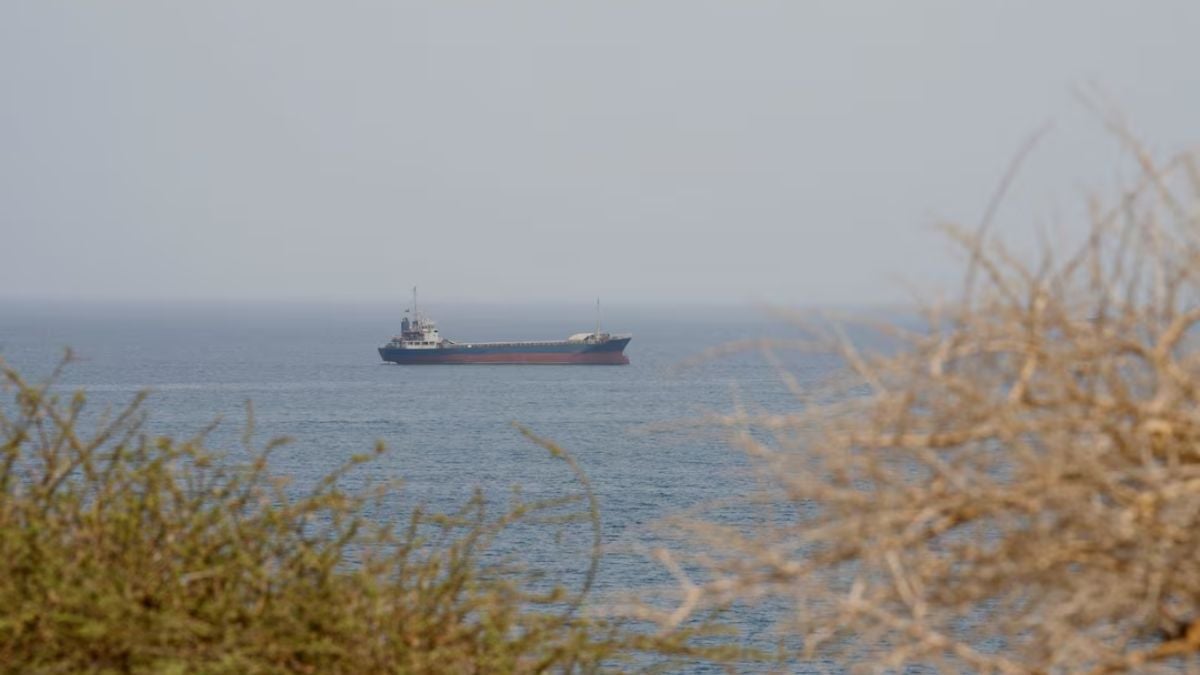
The strategic maritime landscape in the Middle East has entered a critical phase following recent statements from United States defense leadership regarding long-term operational readiness in international waters. According to remarks by the head of the Pentagon, American forces possess the logistical endurance and operational capacity to sustain a US naval blockade on Iranian ports on an indefinite basis. This posture underscores the deep geopolitical frictions defining the region, placing maritime chokepoints and maritime enforcement mechanisms at the center of international strategic discourse.
Strategic Posture and Long-Term Naval Operations
A sustained naval containment operation requires an extensive logistical architecture, combining carrier strike groups, guided-missile destroyers, aerial surveillance assets, and constant replenishment at sea. When defense officials state that a maritime cordon can be held indefinitely, it points to a deep commitment of forward-deployed naval assets designed to control sea lanes, monitor merchant shipping lanes, and restrict naval ingress and egress.
Maintaining prolonged maritime dominance involves multi-layered coordination across several operational domains:
- Continuous Carrier and Surface Group Rotations: Ensuring constant presence without operational degradation through regular replenishment, maintenance cycles, and crew rotations.
- Surveillance and Aerial Reconnaissance: Deploying maritime patrol aircraft, uncrewed aerial systems, and satellite tracking to monitor harbor departures and international waters.
- Interdiction and Boarding Capabilities: Stationing specialized visit, board, search, and seizure (VBSS) units aboard surface combatants to verify cargo manifests and enforce containment measures.
- Subsurface and Anti-Access Countermeasures: Mitigating regional coastal defense systems, fast-attack craft swarms, and submarine capabilities through active screening and deterrence.
The assertion of sustained capability reflects the sheer scale of modern American naval logistics, which relies on regional hub facilities, prepositioned supply vessels, and allied port access agreements to keep battle groups fully fueled, armed, and operational over extended timeframes.
Implications for the Strait of Hormuz and Commercial Shipping
Any protracted disruption or targeted enforcement around Iranian coastal hubs immediately alters the risk calculations for commercial shipping operating in the Persian Gulf and the Gulf of Oman. The Strait of Hormuz remains the single most vital maritime transit corridor for global hydrocarbon exports, through which tens of millions of barrels of crude oil and refined petroleum products pass every day.
When military blockades or rigorous maritime enforcement regimes are signaled, commercial vessel operators face sharp adjustments. Marine insurance underwriters routinely recalculate war risk premiums, adding substantial costs to every voyage traversing regional waters. Shipping conglomerates may alter routing plans, implement enhanced security protocols, or delay transits, leading to compounding congestion across global supply chains. Furthermore, heightened naval friction near major port facilities elevates the risk of miscalculation, where defensive maneuvers by commercial or military vessels can trigger broader escalatory cycles.
What the Maritime Standoff Means for Ordinary Citizens
While naval posturing is conducted thousands of miles away on the open ocean, the ramifications of an extended maritime blockade or heightened regional tension filter directly into the everyday lives of ordinary consumers and households worldwide, particularly in developing economies.
1. Impact on Energy Costs and Utility Tariffs
Global energy markets respond immediately to any threat of restricted movement in major oil-producing regions. Even the perception of supply constraints or transit disruptions can push global benchmark crude prices upward. For everyday citizens, higher crude oil prices translate directly into steeper costs at the fuel pump, increased electricity tariffs, and elevated public transportation fares.
2. Domestic Inflation and Everyday Commodity Prices
Modern manufacturing and agriculture are heavily dependent on diesel, freight transport, and petroleum-based inputs such as fertilizers. When transport and fuel expenses climb, the cost of transporting essential food items, staple grains, and packaged goods rises in tandem. This dynamic puts immediate pressure on household budgets, eroding purchasing power and contributing to broader retail inflation.
3. Vulnerability of Overseas Workers and Remittance Flows
For nations across South Asia that have millions of citizens working in Gulf economies, regional instability represents a critical concern. Heightened maritime friction can affect economic output in port-adjacent industries, logistics terminals, and coastal construction projects, directly influencing employment stability and the flow of remittances sent back to support families at home.
Diplomatic Pathways and International Maritime Law
Under established international maritime law, the formal implementation and maintenance of a maritime blockade carries strict legal definitions, sovereign obligations, and diplomatic consequences. Freedom of navigation through international straits remains a cornerstone of the global trading architecture, monitored closely by the United Nations, international maritime bodies, and regional stakeholders.
Sustaining such operations over indefinite periods invariably invites formal challenges and diplomatic negotiations. Neutral trading nations, reliant on unimpeded maritime commerce, frequently urge restraint and call for multilateral mechanisms to guarantee safe passage for non-military cargo. Observers and policy analysts continue to emphasize that diplomatic de-escalation, maritime hotlines, and multinational mediation remain vital tools for resolving underlying disputes without triggering long-term economic shocks.
As developments continue to unfold across regional waters, citizens, businesses, and transport operators are advised to follow official government advisories, maritime bulletins, and verified updates from relevant international authorities.
Source: ARY News
Get alerts in your inbox
Weekly roundup of Punjab schemes, Pakistan jobs, and Gulf opportunities.