US Transportation Secretary Addresses Aviation Telecom Fix After Marine One Incident
Following a near-miss incident involving Marine One, the U.S. Transportation Secretary announced active efforts to resolve critical telecommunication issues affecting aviation safety.
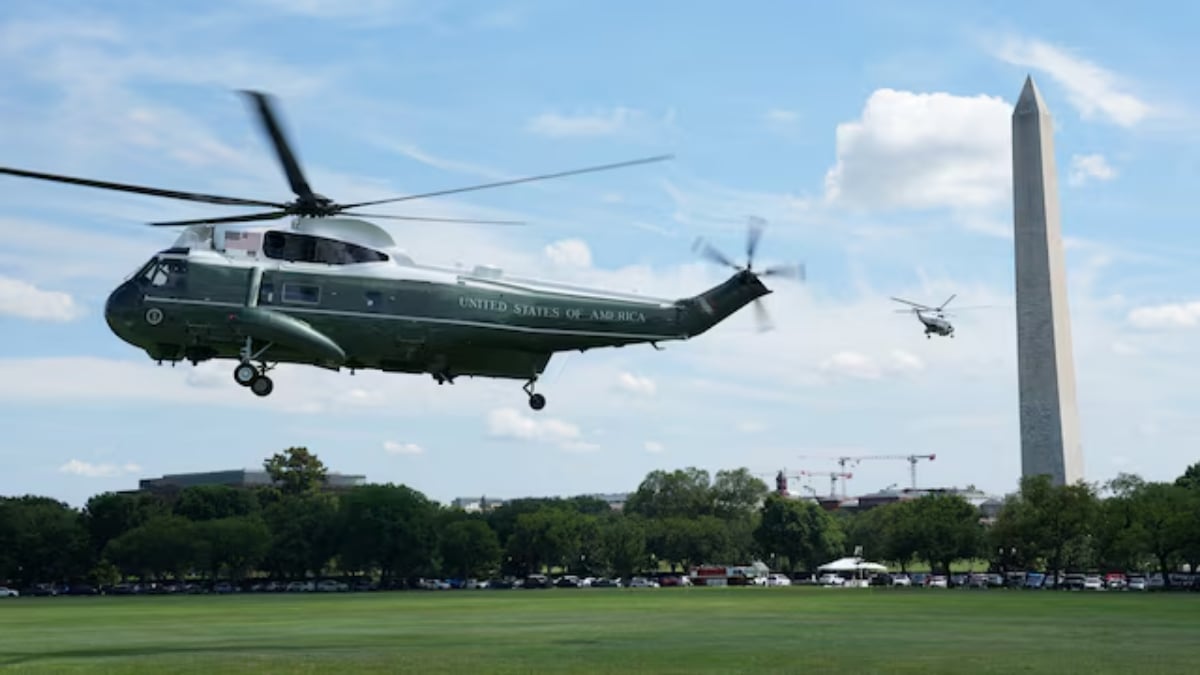
The United States Department of Transportation is actively coordinating efforts to resolve critical telecommunication glitches following a reported close call involving the presidential helicopter, Marine One. Ensuring robust Marine One telecom safety remains a primary concern for federal transport officials as they work alongside technical specialists to address signal interference and operational vulnerabilities within shared airspace networks. This initiative highlights the vital intersection between federal communications infrastructure and executive transport security, prompting broader discussions regarding the overall reliability of aviation frequencies across national transport corridors.
Understanding the Communication Challenges in Federal Airspace
Aviation safety relies heavily on uninterrupted radio frequencies and precise communication channels between flight crews, ground control stations, and automated navigation instruments. When telecommunications issues disrupt these pathways, the risks extend beyond routine flight delays to severe safety hazards for both military and civilian aircraft. In light of the recent near-miss involving Marine One, federal authorities have underscored the necessity of fortifying existing communication links to prevent technical glitches from compromising critical flight operations.
Modern aviation environments operate within a crowded electromagnetic spectrum where commercial cellular signals, satellite communications, emergency broadcasts, and government radar channels frequently overlap. Ensuring that specialized executive transport services—such as those designated for top government leadership—maintain absolute signal isolation requires continuous technological alignment. The recent incident has prompted transportation leadership to thoroughly evaluate the resilience of onboard communication equipment and ground-based signal infrastructure.
Government Actions and System Interoperability
To tackle these persistent technical challenges, transportation authorities are prioritizing comprehensive system reviews and collaborative policy adjustments. Inter-agency coordination is critical to identifying the root causes of signal disruptions and establishing preventative protocols that mitigate future risks. By reviewing signal management guidelines and hardware standards, officials aim to guarantee that critical air routes remain fully protected from unexpected signal loss or frequency overlap.
Key strategic measures currently being evaluated by transport leadership include:
- Upgrading frequency filtering hardware on official executive and military transport fleets to reduce interference from adjacent telecommunication networks.
- Strengthening inter-agency protocols between aviation regulators, security detail teams, and telecommunication monitoring bodies.
- Enhancing real-time signal monitoring along primary flight paths utilized by executive transport aircraft.
- Conducting rigorous spectrum audits to evaluate potential overlap between commercial broadband frequencies and vital flight communication bands.
Addressing these vulnerabilities requires balancing the expansion of high-speed commercial telecommunications with the stringent safety requirements of federal aviation. Transport leadership continues to emphasize that public safety and the secure transit of government personnel rely on maintaining absolute integrity across all active air traffic control frequency bands.
What This Aviation Safety Effort Means for Ordinary Citizens
While news of a close call involving Marine One primarily focuses on high-level executive security, the underlying fixes implemented by federal transport agencies directly benefit the general public. Commercial air travel utilizes many of the same foundational communication networks, air traffic control towers, and frequency spectrum guidelines that safeguard VIP transport flights. Consequently, systemic improvements made to resolve interference issues for government aircraft frequently lead to enhanced safety standards across the entire civil aviation sector.
For everyday travelers, federal intervention to resolve telecommunication conflicts translates into safer, more reliable air transit. When regulatory bodies address frequency overlap, they simultaneously protect commercial airliners from navigational disruptions, reduce flight delays caused by technical communication hold-ups, and ensure that commercial pilots maintain clear, uninterrupted contact with ground controllers. Furthermore, these measures foster greater public confidence in national airspace management, demonstrating that regulatory agencies take proactive steps to fix technical vulnerabilities before they result in catastrophic failures.
Citizens who follow federal transport policies and aviation safety developments should monitor official announcements for verified updates regarding equipment standards and frequency management policies. While public notices detail high-level regulatory frameworks, specific technical guidelines are continually refined through official transportation channels to ensure all airspace users remain protected.
Maintaining secure and reliable airspace requires continuous surveillance of evolving telecommunication technologies. As transportation officials work to implement permanent fixes following the Marine One incident, readers are encouraged to consult official government portals and transport department bulletins for verified updates on national aviation safety policies.
Source: ARY News
Get alerts in your inbox
Weekly roundup of Punjab schemes, Pakistan jobs, and Gulf opportunities.