USS Abraham Lincoln Crew Conditions Spark Alarm Over Extended Sea Deployment
Reports detailing deteriorating sanitation, supply shortages, and severe psychological distress aboard the USS Abraham Lincoln have prompted intense congressional scrutiny as its deployment reaches nine months.
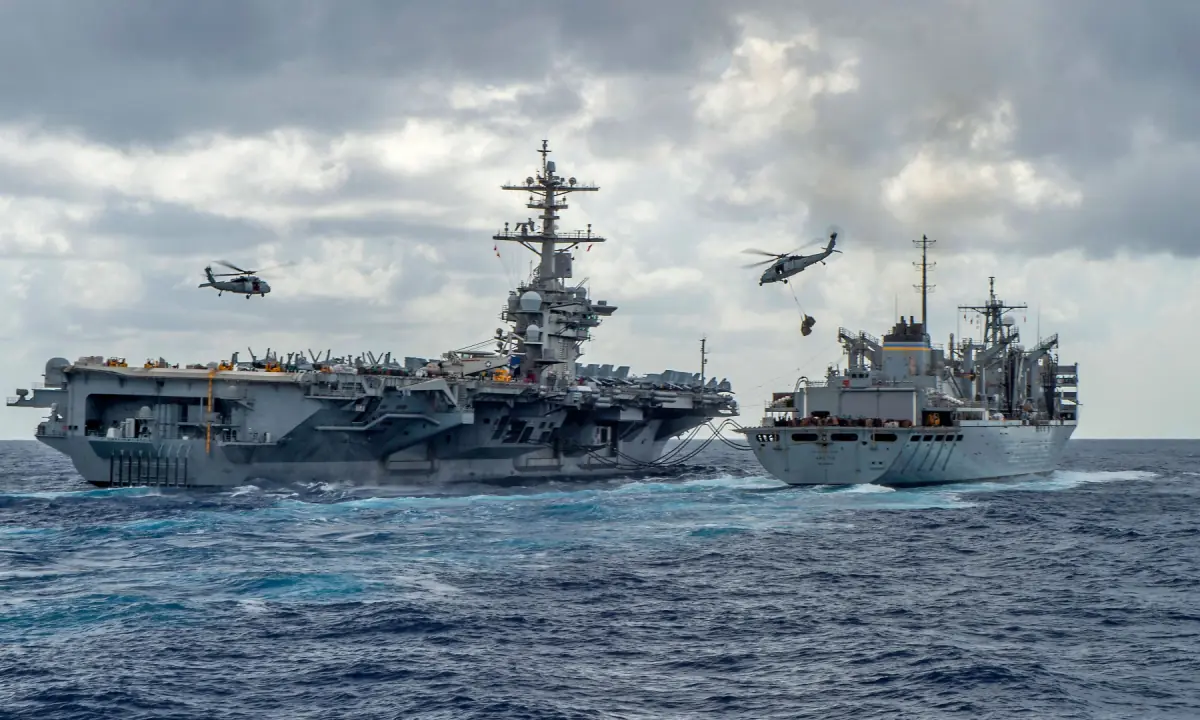
Mounting reports regarding deteriorating USS Abraham Lincoln crew conditions have triggered significant congressional alarm, shedding light on the immense physical and psychological strain faced by naval personnel during prolonged operations at sea. As the massive American aircraft carrier reaches its ninth month of deployment in the Middle East amid ongoing regional conflict involving Iran, accounts detailing acute operational fatigue, critical logistical lapses, and severe sailor distress have emerged from aboard the vessel. Lawmakers and naval analysts are now closely examining how such prolonged tours impact service members when extended missions outpace support systems.
Severe Hardships and Psychological Distress Aboard the Carrier
Life aboard a nuclear-powered aircraft carrier is inherently demanding, but extended time at sea without sufficient respite can push crews to their absolute limits. According to recent reports that have reached lawmakers, personnel aboard the USS Abraham Lincoln are grappling with an increasingly hostile living environment caused by system failures and resource depletion.
Key indicators of distress and operational failure reported from the carrier include:
- Critical Sanitation Breakdowns: Basic plumbing and onboard waste management systems have experienced significant disruptions, severely affecting daily hygiene and living quarters across multiple decks.
- Supply and Resource Depletion: Prolonged periods away from major logistics hubs have led to shortages of essential daily supplies, adding friction to basic day-to-day operations.
- Extreme Psychological Strain: The persistent stress of combat-readiness combined with severe living conditions has led to alarming mental health crises, with reports indicating that some service members have attempted to jump into the sea.
- Extended Operational Timelines: Reaching nine months in active deployment far exceeds standard operational windows, multiplying fatigue across the entire ship's complement.
The combination of these environmental and emotional pressures creates a compounding crisis. When basic human needs such as reliable sanitation, essential supplies, and mental rest are compromised, the operational readiness of a premier naval asset inevitably suffers.
Congressional Oversight and the Call for Fleet Accountability
The emergence of these distressing reports has prompted urgent inquiries from congressional committees responsible for armed services oversight. Lawmakers are demanding clear answers regarding how deployment schedules are managed and why onboard conditions were allowed to deteriorate to such a dangerous degree.
Congressional leaders routinely monitor military readiness, yet accounts of sailors being driven to extreme acts of desperation present an immediate red flag. Oversight bodies are focused on whether leadership adequately anticipated the logistical requirements of an open-ended posture in the Middle East. Extended deployments require meticulous supply chain support and robust medical and psychological interventions. When an aircraft carrier remains on station for nine continuous months amid high-tempo operations, the strain on both machinery and personnel requires rapid mitigation by naval authorities.
The Role of Carrier Replacements in Relieving Operational Fatigue
To address the unsustainable conditions aboard the carrier, the military has prepared a transition plan to relieve the vessel. The USS Abraham Lincoln is scheduled to be replaced in the Middle East by another carrier, the USS George Washington. This handover is seen as a vital and long-overdue step to ensure that the current crew can safely conclude their extended tour and return to port for mandatory maintenance, rest, and comprehensive health evaluations.
Rotating carrier strike groups is a standard naval practice designed to prevent the very exhaustion now being witnessed. However, when geopolitical crises lengthen these rotations, the gap between departure and relief can produce severe consequences for the departing crew. The arrival of the replacement vessel will mark the end of one of the longest continuous carrier deployments in recent operational history.
What Extended Military Deployments Mean for Ordinary Citizens
While reports from distant naval vessels might seem removed from daily domestic life, the operational strains facing carrier strike groups carry direct implications for ordinary citizens and international observers alike.
First, military readiness directly correlates with national defense expenditure. Severe wear and tear on major naval assets—along with emergency logistical fixes and health interventions—involves substantial public resources. When equipment fails and supply chains break down during extended missions, the eventual cost of repairs, overhauls, and medical care for returning service members falls squarely on public budgets.
Second, the welfare of service members touches thousands of families across civilian communities. Prolonged deployments place heavy emotional and financial burdens on military families who must endure extended uncertainty while their loved ones operate under extreme conditions. Ensuring proper oversight, adequate working environments, and fair deployment rotations is an issue of basic public accountability and civic responsibility.
Finally, naval stability in key maritime corridors affects global commercial routes, energy security, and international shipping lanes. The effectiveness of deployed naval forces directly influences broader regional stability, which in turn affects international trade flows and global consumer supply chains.
As official inquiries continue, observers and interested citizens should follow official defense updates and legislative briefings for verified developments regarding the carrier rotation and subsequent welfare reviews.
Source: Dawn News
Get alerts in your inbox
Weekly roundup of Punjab schemes, Pakistan jobs, and Gulf opportunities.