West Nile Virus Claims First Life in the Netherlands
A fatality linked to the West Nile virus has been reported in the Netherlands, prompting health experts to advise vigilance regarding mosquito-borne illnesses.
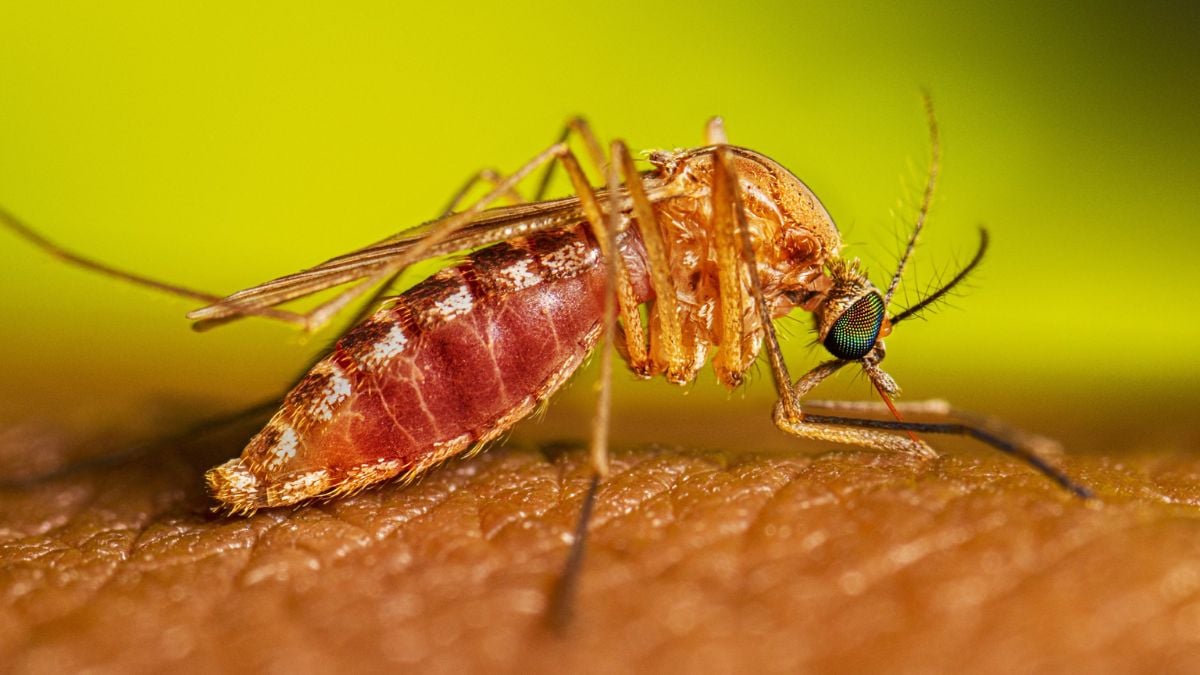
Public health authorities in the Netherlands have confirmed the country's first recorded fatality resulting from a West Nile virus infection. This development has drawn attention from health agencies across Europe, prompting renewed discussions regarding mosquito-borne illnesses and the shifting geographic reach of such pathogens. While officials work to understand the full context of the case, medical experts emphasize the importance of awareness and personal protection, particularly during peak mosquito activity periods.
Understanding the Virus and Transmission Risks
West Nile virus is primarily spread to humans through the bites of infected mosquitoes, which typically acquire the pathogen by feeding on infected birds. The vast majority of individuals who contract the virus experience either no symptoms at all or mild, flu-like signs such as fever, headaches, and body aches. However, in rare instances, the infection can escalate into severe neurological conditions, including encephalitis or meningitis. Older adults and individuals with compromised immune systems face a notably higher risk of developing severe complications.
What This Means for Ordinary Citizens
For everyday residents, the confirmation of a fatality serves as an important reminder rather than an immediate cause for panic. Public health guidelines typically advise focusing on practical prevention strategies rather than drastic lifestyle changes. Because local conditions, testing protocols, and public health advisories can vary significantly depending on your specific region, citizens are strongly encouraged to consult official health portals or municipal announcements for the most accurate and up-to-date guidance.
- Use EPA-approved insect repellents containing DEET, picaridin, or oil of lemon eucalyptus when outdoors.
- Wear long-sleeved shirts and long trousers, especially during dawn and dusk when mosquitoes are most active.
- Eliminate standing water around homes by emptying flowerpots, buckets, and gutters to prevent mosquito breeding.
- Ensure window and door screens are intact to keep mosquitoes out of living spaces.
- Monitor official health department channels for localized vector-borne disease updates and safety advisories.
As health agencies continue to monitor the situation, staying informed through verified channels remains the best approach. Always rely on certified medical professionals and official government health notices to make well-informed decisions regarding your family's safety and well-being.
Source: ARY News
Get alerts in your inbox
Weekly roundup of Punjab schemes, Pakistan jobs, and Gulf opportunities.